The first edge of your home
Building boundary walls, gates and external works
The wall is the first thing people see of your home and the last thing many think about during a build. Yet it’s structural work with foundations, columns, wind loads and soil — and mistakes show years later as cracks, leaning or partial collapse. Many owners wall the plot before building to protect it and mark its boundaries, or leave the wall and external works until after the shell and need a separate contractor for them.
With SaudiContractor you describe what you need — approximate wall length and height, gates, paving and yard works, city and district — and your request reaches contractors who build walls and external works in your city, who contact you with offers.
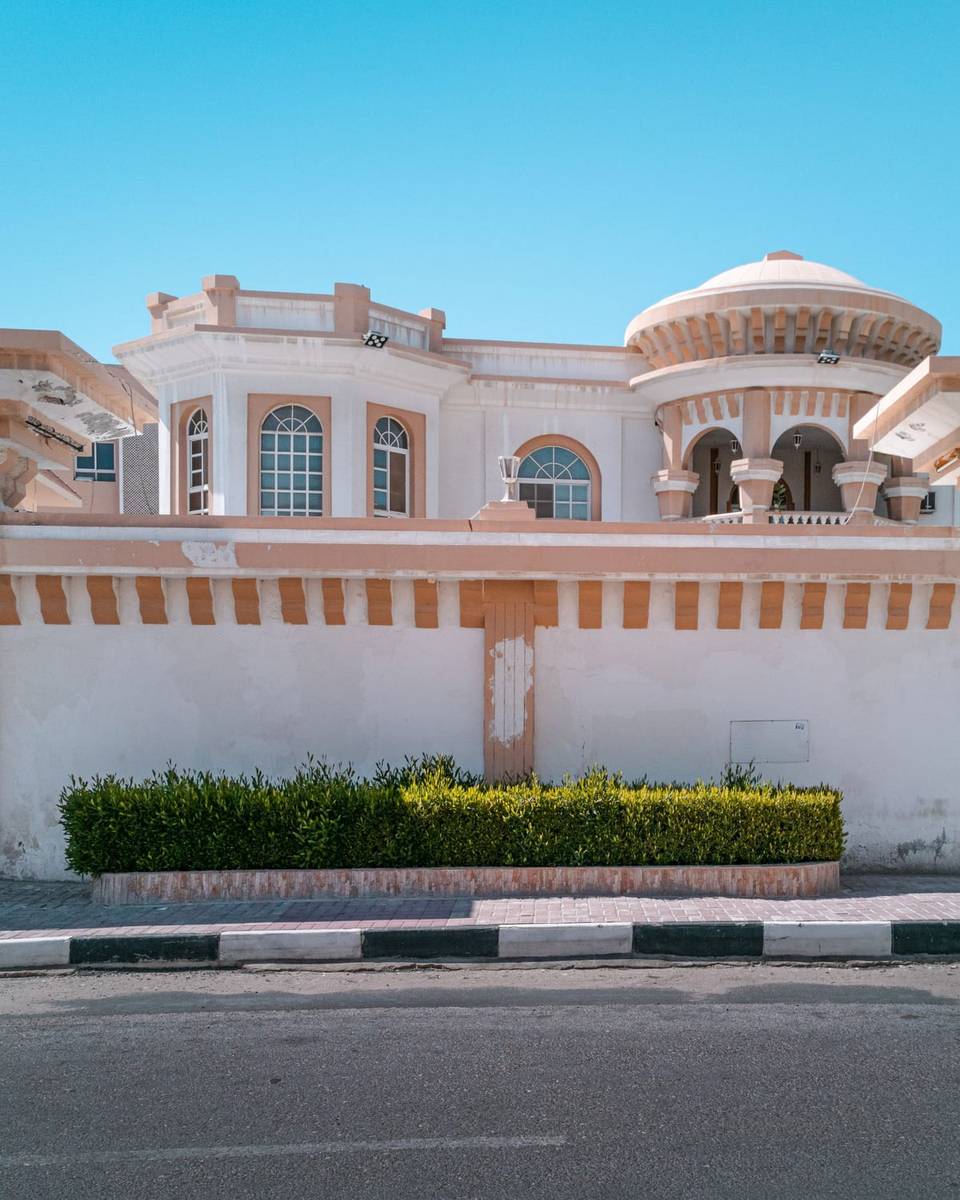
What walls and external works cover
The job can be a wall only, or a full package for everything around the building. Common items:
Plot or villa wall
Foundations, a ground beam, concrete columns and a block wall, then plaster and paint or stone cladding.
Gates
Vehicle and pedestrian gates, steel or aluminium work, and motors if requested.
Yard surfaces
Internal paving, paths and parking in tiles, interlock or concrete.
Drainage
Falls in the surfaces and rainwater drainage away from the building and wall.
Extras
Car shades, planters, a guard room or a ground water tank.
Usually excluded
Landscaping, irrigation and external lighting, unless written in.
When do you need a separate wall contractor?
When you want to wall your plot before building to protect it and mark its boundaries, when the shell and finishing are done and external works remain, or when an old wall is cracked and needs rebuilding. In every case the wall is best built to an engineering drawing, not by eye.
If you’re starting a villa, it may be cheaper to include the wall in the shell or turnkey contract, since the contractor is already on site with equipment and crew — just make sure the wall’s specification is written into the contract like any other part of the building.
Wall height, design and materials may be subject to municipal conditions in your district, and a shared wall with a neighbour needs a clear agreement on the boundary and cost before starting. Gather this before requesting offers.
Stages of the work
Confirming boundaries
Checking the plot boundaries on the ground against the deed and survey before any digging.
Foundations
Excavating and pouring pad or strip foundations and the ground beam to suit the soil and wall height.
Columns and wall
Concrete columns at set spacings, then block walling between them.
Finishing
Plaster and paint or stone cladding, and installing the gates.
Surfaces and drainage
Levelling the yard, setting falls, paving and parking.
The costliest mistake with walls is building outside the correct boundary, because fixing it means demolition. Don’t start before the boundaries are confirmed.
What to prepare before requesting offers
- The land deed and the survey that defines the boundaries.
- A wall drawing or site plan if available.
- The required height and finish: paint or stone.
- The number, size and type of gates.
- Whether paving and shades should be in the contract.
How walls are priced
Usually per linear metre of wall at a set height and specification, a sum per gate, and per square metre for paving. Make sure the linear rate includes foundations, columns and finishing, not just the wall — some offers look cheaper because foundations are priced separately or columns are fewer.
Payments on small projects are usually in two or three stages — after foundations, after the wall, after finishing and gates — with a part held back until handover.
Questions to ask the contractor
- Foundations
What type and depth of foundation, and does it suit the soil and wall height?
- Columns
What is the column spacing and reinforcement?
- Drainage
How will rainwater drain in the yard and along the wall?
- Gates
What material and thickness for the gates, and are motors included?
- Warranty
What warranty covers the wall and gates?
Warning signs
- A tall wall without enough columns or on a weak foundation.
- Starting before the boundaries are confirmed.
- Paving with no falls, collecting water against the building.
- A linear rate that doesn’t say what it includes.
What drives the cost?
- Wall length and height.
- Foundation type depending on the soil.
- Finish: paint, stone or other cladding.
- Number and type of gates and motors.
- Paving area and yard materials.
Read the building cost guide.
Boundary walls: FAQ
Do I need a permit to build a wall?
Usually yes — either within the building permit or separately. Check the municipality’s requirements.
Should I build the wall before the villa?
Many do, to protect the land. Plan an entrance for equipment and trucks during the build so you don’t have to knock part of it down.
Is a stone wall better than paint?
Stone usually lasts longer with less maintenance; paint costs less upfront. It depends on budget and the facade.
What about a wall shared with a neighbour?
Agree the boundary, cost and design with the neighbour in writing before starting.
How do I stop water pooling in the yard?
With correct falls and drainage points set before paving, not after.
Request offers for walls and external works
Describe the wall and works you need, and let contractors in your city contact you.