One party from foundations to keys
Turnkey villa construction with one clear contract
In a turnkey contract one contractor builds the villa from excavation and foundations to the last light switch and the last tile, then hands you a home ready to live in. It appeals to owners who can’t follow the site daily or don’t want to deal with several contractors — but it needs one thing above all: a detailed written specification, because “turnkey” on its own says nothing about which tiles, which doors or which finishing level.
With SaudiContractor you describe your project once — city, built-up area, number of floors, the finishing level you want, and the status of the land, drawings and permit — and your request reaches contractors who build turnkey villas in your city, who contact you with offers you can compare on the same basis.
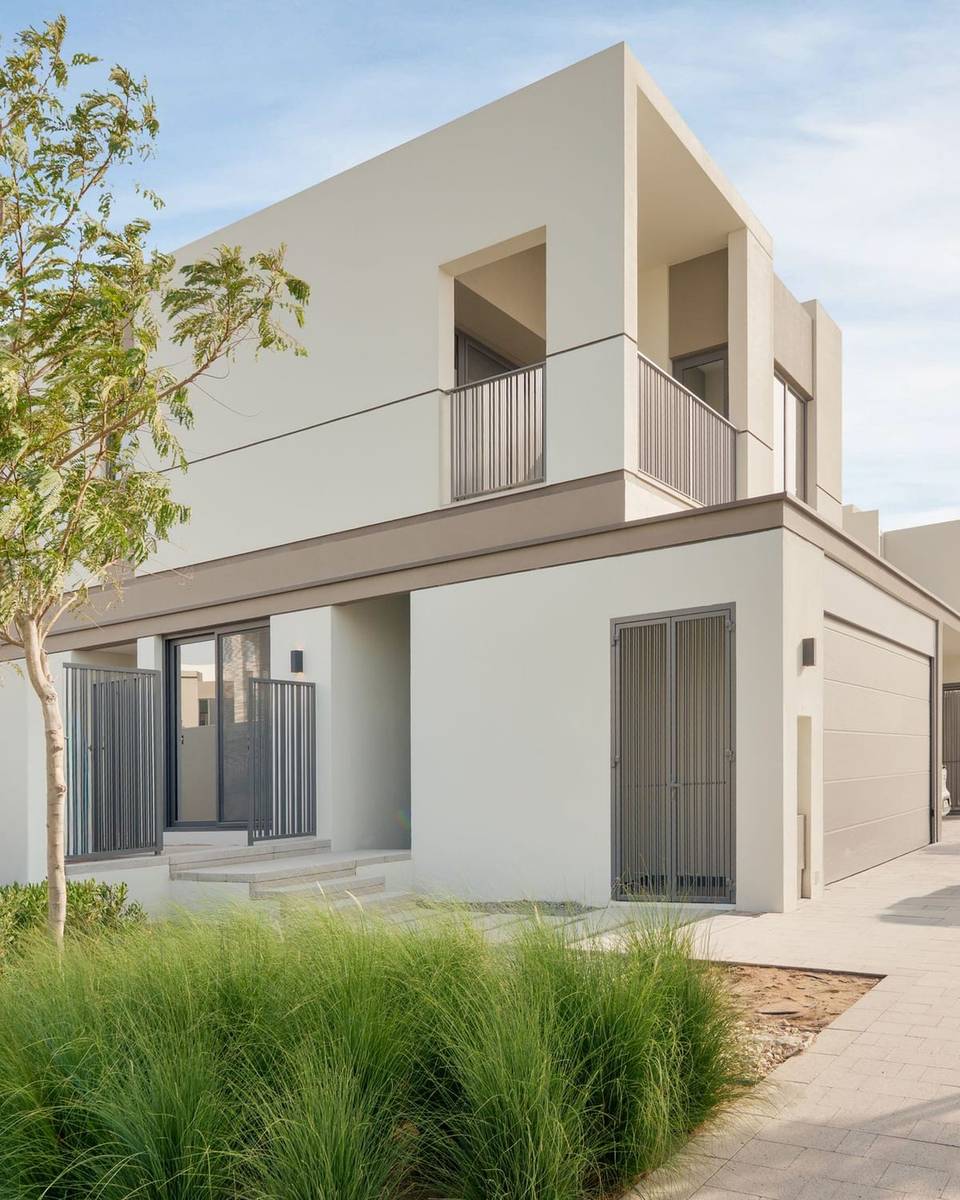
What a turnkey contract covers
The contract usually covers everything in a shell contract, plus full finishing. Items you should see in writing:
The complete structure
Excavation, foundations, columns, slabs, blockwork and insulation, as in a shell contract.
Services
Electrical, plumbing, drainage and AC provision, with specifications and sources for pipes and cables.
Interior finishes
Plaster, gypsum, tiles, paint, doors, stairs and balustrades.
Facades and windows
Facade materials such as stone or exterior paint, windows, glazing and insulation.
Sanitary ware and lighting
Included? Which brand, level or price cap?
Usually excluded
The kitchen, appliances, the AC units themselves, furniture and landscaping — unless written in.
Who is turnkey for?
Turnkey suits owners who want one party responsible for quality and coordination between stages, rather than a shell contractor blaming the finisher and a finisher blaming the structure. It also suits owners who work in another city or can’t visit often — provided a supervising engineer follows the work for them.
The price of that convenience is deciding early and writing your choices into the contract. If you’d rather pick every tile after seeing the house standing, shell followed by finishing may suit you better. Read shell vs turnkey.
Stages and rough timing
Turnkey naturally takes longer than a shell, depending on area, finishing level and how quickly you approve choices. The usual stages:
Shell
Foundations, frame and blockwork, with inspections before each pour.
Services and plaster
Electrical, plumbing and AC runs inside walls and slabs, then plaster.
Insulation and roofs
Waterproofing and thermal insulation of the roof and bathrooms, tested before covering.
Finishes
Tiles, gypsum, paint, doors, windows and facades.
Fit-out and handover
Sanitary ware and lighting, then a handover walk with the engineer and a snag list fixed before the final payment.
What delays turnkey projects most is the owner approving samples late. Ask for a schedule showing when your decisions are needed at each stage.
What to prepare before requesting offers
- The land deed, approved drawings and the building permit or its stage.
- The finishing level you want: standard, medium or luxury. Read finishing levels explained.
- A list of your key choices: tiles, facade, windows, level of sanitary ware.
- The rough budget you don’t want to exceed.
- The move-in date you’re planning, and how flexible it is.
How turnkey offers are built
Most offers are a rate per square metre linked to a finishing level, or a lump sum with a specification schedule. The problem is that two offers at the same price can deliver very different things: tiles of another grade, doors of a different wood, sanitary ware of another level. That’s why the specification matters more than the number.
A sensible approach is for the contract to set an allowance for some items — a set amount per square metre of tiles or for sanitary ware. Choose dearer and you pay the difference; choose cheaper and it’s deducted. This protects you from silent downgrades, and protects the contractor from changed choices after pricing.
Payments are tied to clear completed stages, with a retention held until final handover and the end of the snagging period. Read what must be in a construction contract.
Questions to ask before signing
- The specification
Can I see the specification schedule item by item, with brands or grades?
- Subcontractors
Who will do the electrics, plumbing and gypsum — your team or subcontractors — and who answers for them?
- Samples
Will I approve tile, paint and door samples before they’re ordered?
- Warranties
What warranty covers the structure, the insulation and the services, and for how long?
- Changes
How are changes I ask for during the build priced?
- Past projects
Can I visit a villa you handed over and talk to the owner?
Warning signs
- A “turnkey” offer with no written specification.
- Phrases like “excellent finishing” or “first-class materials” with nothing specific.
- Early payments with no completed work behind them.
- Refusing a supervising engineer on your side.
- Promised durations far shorter than the other offers.
What drives the cost of a turnkey villa?
- Built-up area, floors, basement and annexes.
- The finishing level — the biggest factor after area.
- Facade materials, windows and thermal insulation.
- Services and the level of sanitary ware and lighting.
- Material prices at the time of the build, and the required schedule.
Read the building cost guide and what affects the cost of building a villa.
Turnkey villas: FAQ
Does turnkey include the kitchen and AC units?
It usually includes AC provision and kitchen connections, not the kitchen and appliances themselves. Ask specifically.
Is turnkey dearer than shell plus finishing?
Not necessarily. It can be simpler to manage, but compare offers with the same scope and specification to see the real difference.
How do I make sure material quality isn’t lowered?
With a written specification, approved samples, and a supervising engineer checking what is delivered and installed.
Do I need a supervising engineer?
Yes — even more so here, because the contractor carries out every stage. Read why supervision matters.
What if I want to change something during the build?
Agree in the contract how changes are priced and how they affect the schedule, and record and sign every change.
When do I take over the villa?
After a handover walk with the supervising engineer recording every snag, which is fixed before the final payment. Don’t sign the final handover until services and insulation are tested and every fitting works.
Is SaudiContractor a contractor?
No — we pass your request to contractors in your city; the contract is between you and the contractor you choose.


Request turnkey offers
Describe your villa and the finishing level you want, and let contractors contact you with offers.