What is a shell contract?
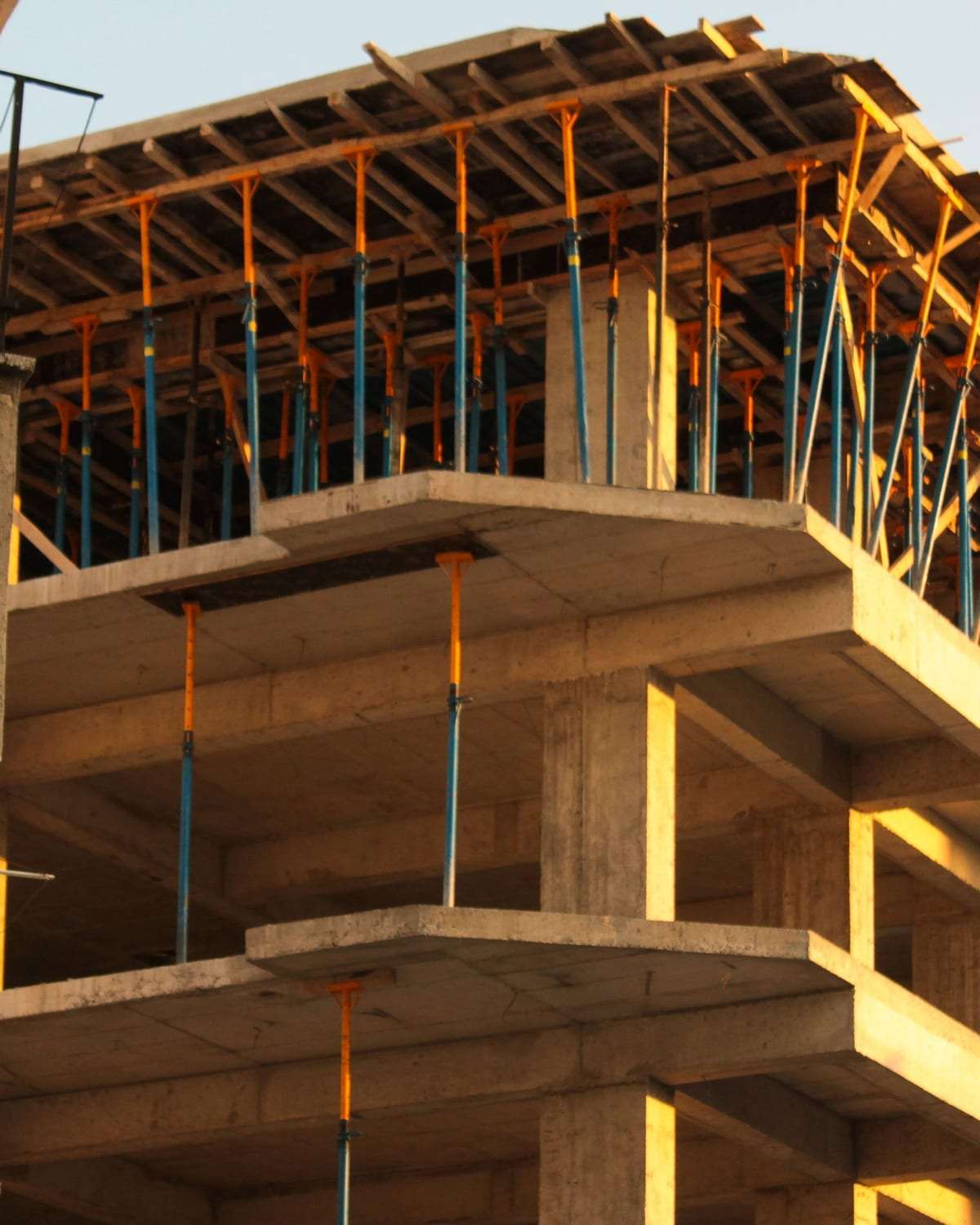
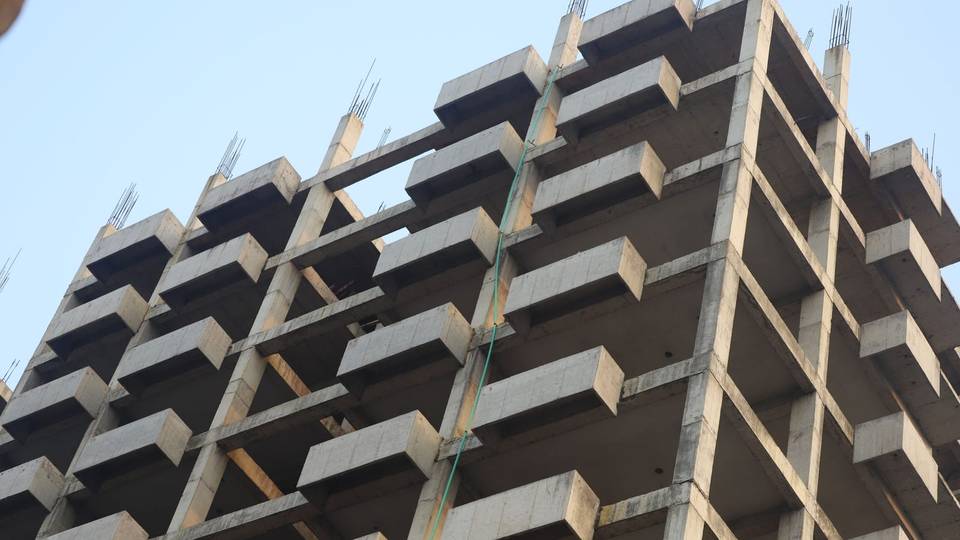
A shell contract covers the structural frame of the house: excavation, footings, ground beams, columns, slabs, stairs and blockwork, often including foundation waterproofing. When it’s done, the house stands as a “skeleton” with no final services, plaster, tiles or doors. Some contracts include extras such as external plaster or first-fix services, so read the scope carefully.
Shell work comes in two common forms: “shell with materials”, where the contractor supplies steel, concrete and blocks within the price, and “labour only”, where the owner supplies materials and pays the contractor to build. The price difference is large, but the difference in responsibility and follow-up is larger.
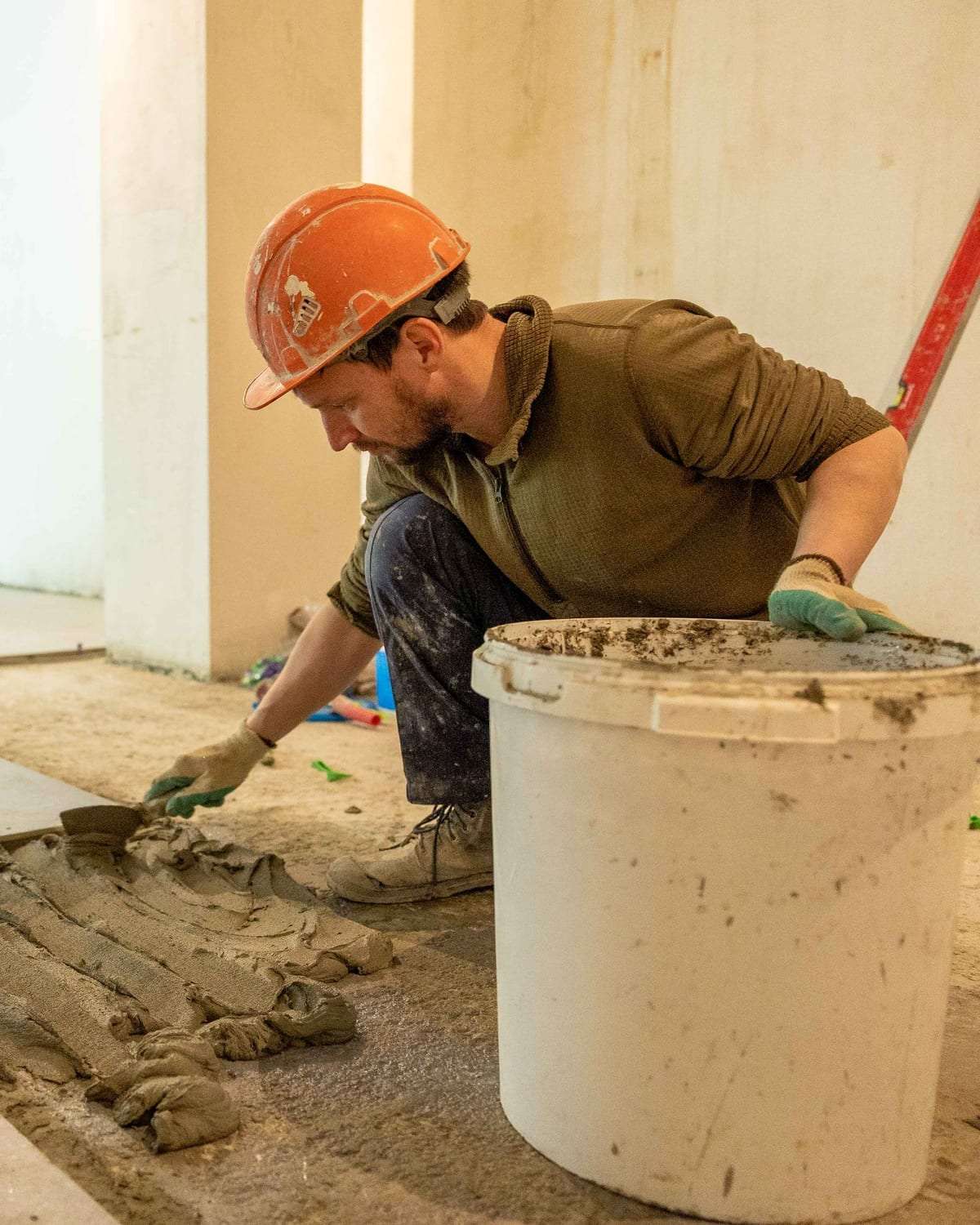
After the shell, the owner contracts the finishing — with the same contractor under a new contract, with another finishing contractor, or by managing several specialist trades themselves. Read about villa shell construction.
What is turnkey?
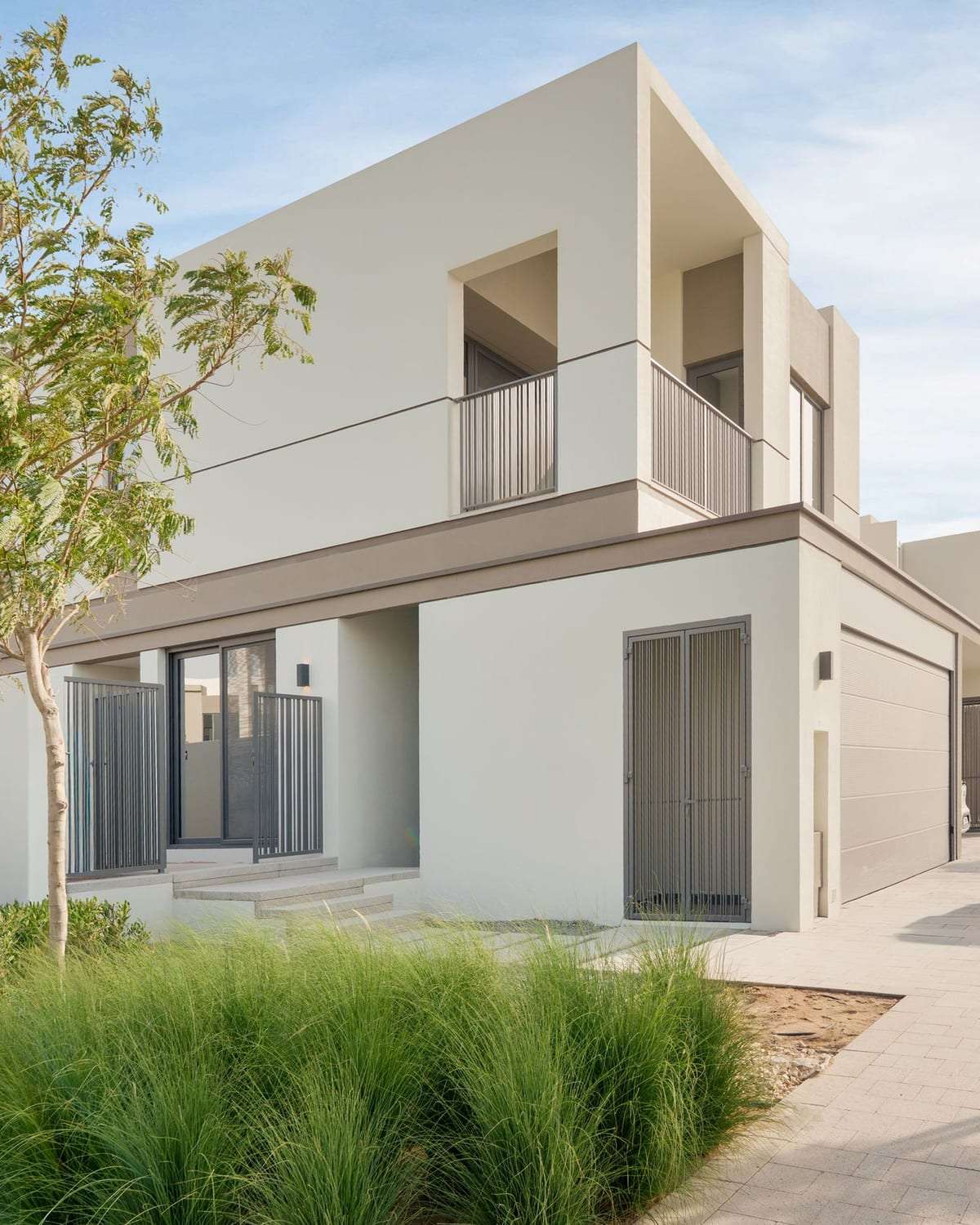
With turnkey, one contractor takes responsibility for the whole house — from excavation to the last light switch — to agreed drawings and specifications. The owner deals with one party on price, schedule, quality and warranty, with no need to coordinate several contractors.
But “turnkey” isn’t a standard term: some contractors include kitchens, AC units, walls and lighting, others don’t. So the specification schedule attached to the contract defines what you’ll actually receive — not the word itself.
Items the owner chooses later, such as tiles, sanitaryware and lighting, are usually “allowances”: a set amount per item; choose more expensive and you pay the difference, cheaper and you get it back. Read about turnkey villas.
Control over details
Shell-then-finish gives you more control over every decision: you choose each material, negotiate with each finishing trade, and can defer or change items without renegotiating a large contract. It suits someone with experience or specific taste and the time to research and follow up.
Turnkey gives you less control over day-to-day details, but clearer control over the overall result if the specification is well written. You control in advance through the specification, not during construction through daily decisions.
Risk and who carries it
With shell-then-finish, the owner carries coordination risk: if the plumber is late, the tiler is late; if a bathroom defect appears, the tiler may blame the plumber and vice versa. The owner also carries material price risk if supplying materials, and the risk of waste and theft on site.
With turnkey much of that risk shifts to the contractor, but other risks appear: the contractor saving on loosely specified materials, or running into financial trouble mid-project so everything stops. So reputation, financial standing and past projects matter more for turnkey than for shell work.
Either way, tying payments to completed stages approved by the engineer and keeping a retention until handover are your two most important protections. Read payment schedules.
Time and follow-up
Shell-then-finish takes more of your time: site visits, meetings with several contractors, showroom trips to choose materials, and resolving coordination disputes. Someone working full time or living in another city may find it exhausting, and the project may slow while waiting for their decisions.
Turnkey cuts daily follow-up but doesn’t remove it: you still need to approve samples on time, attend key inspections and review the supervising engineer’s reports. A project where the owner is late approving samples runs late even with a diligent contractor.
Cost: where the real difference lies
Many believe shell-then-finish is always cheaper because it removes the “middleman’s” margin. It can be, for someone who knows the market, negotiates well and follows up personally. But its hidden costs are your time, waste, rework from poor coordination, and delay.
Turnkey includes the contractor’s margin for managing the project and carrying risk, but they may get better material prices through volume. A fair comparison isn’t between two totals but between two identical scopes with identical specifications. Read the building cost guide and budgeting for a villa.
Remember that the cheapest turnkey offer is often cheapest because its allowances are low: the tile allowance only covers the lowest grade, so you pay the difference later and the “saving” disappears.
When does each route suit you?
- Shell then finishing suits someone with time and experience (or an expert relative) who wants control over every material, or who builds in phases as cash allows.
- Turnkey suits someone working full time or living far away who wants one responsible party and can define the specification upfront.
- A middle route: shell with one contractor, then finishing with a single finishing contractor under a comprehensive contract, instead of managing many trades.
- In every case: a supervising engineer, payments tied to progress, and a written contract.
No choice is wrong in itself, but one may not fit your time and experience. Be honest with yourself about how much follow-up you can manage.
What to write in the contract in each case
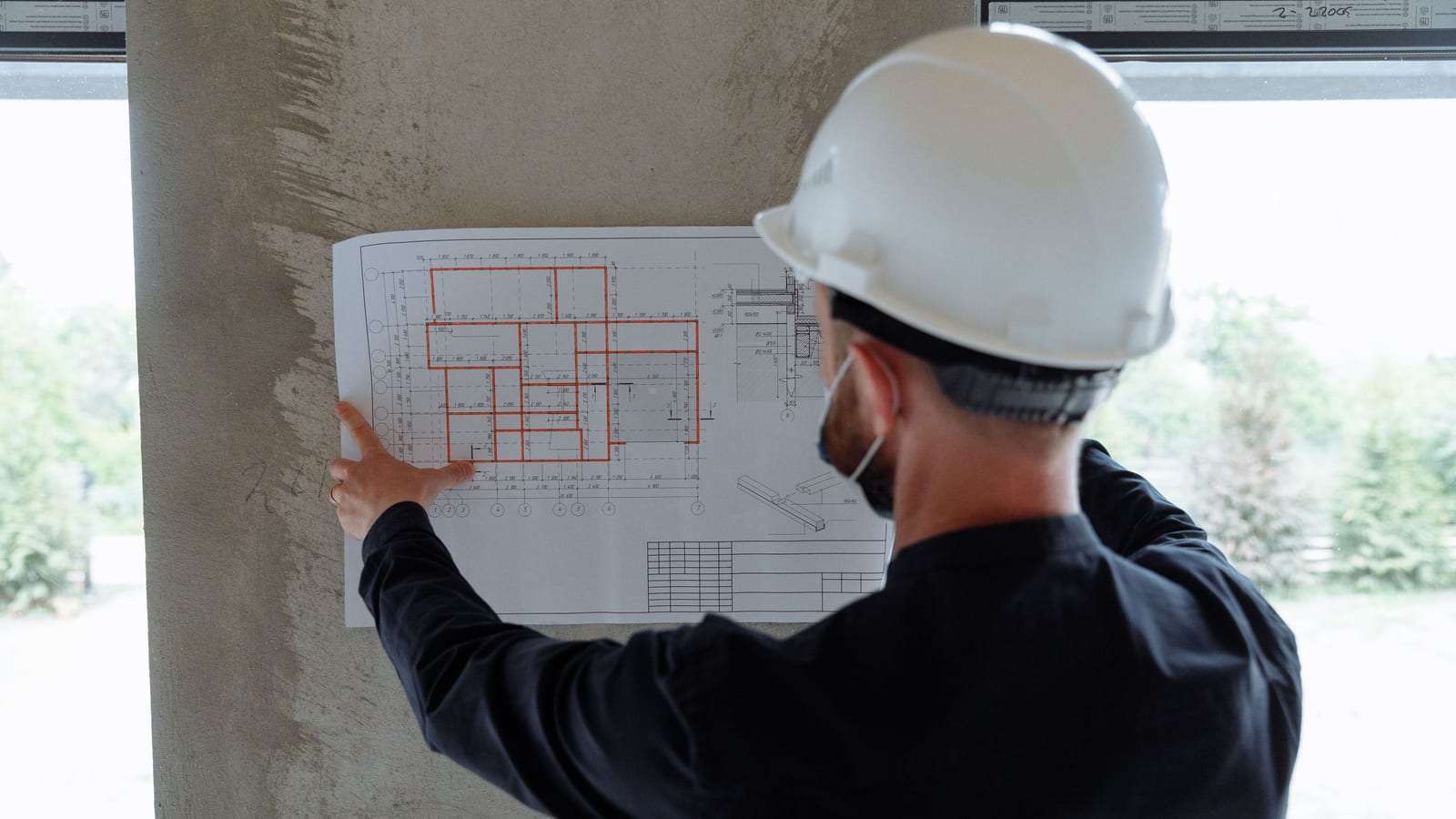
In a shell contract: the exact scope (waterproofing? external plaster? tanks?), who supplies materials, reference specifications, measurement method, duration and payment schedule. In the later finishing contract: the condition of the shell at handover, an item-by-item specification, and tests for waterproofing and services.
In a turnkey contract: a full specification for every item from foundations to lighting, the allowances and how differences are settled, sample-approval dates, and what the contract explicitly excludes. Read the construction contract. Whichever route, write in warranties on structure, waterproofing and services, the snagging period and a dispute mechanism.
FAQ
Which is cheaper: shell or turnkey?
It depends on your ability to follow up and negotiate. Shell can be cheaper for someone who follows closely; turnkey can be better value for someone short on time. Compare identical scopes.
Can a different contractor finish the shell?
Yes, and it’s common. Have an engineer inspect and record the shell before the finishing contractor starts.
What are allowances in a turnkey contract?
Set amounts for items the owner chooses later, such as tiles and lighting. Choose more expensive and you pay the difference.
Do I need a supervising engineer with turnkey?
Yes — a single contractor still needs someone checking their work on your behalf.
Can I switch from shell to turnkey?
You can contract the same contractor for finishing after the shell, but that’s two separate contracts, not one turnkey contract.
This guide is general information, not engineering or legal advice. Regulations and requirements differ between cities and change over time, so check your project with a licensed engineering office and the relevant authorities.