Area and number of floors
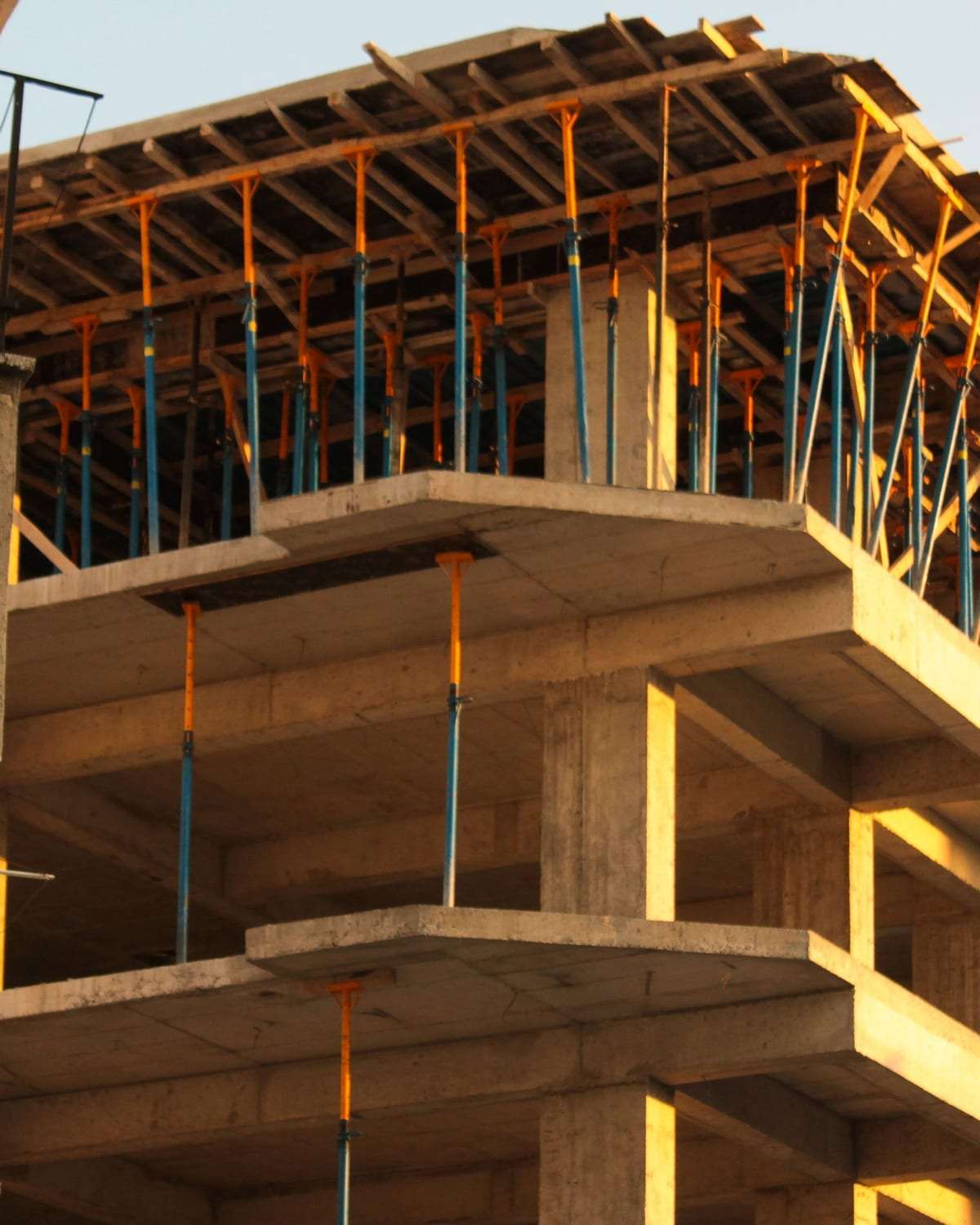
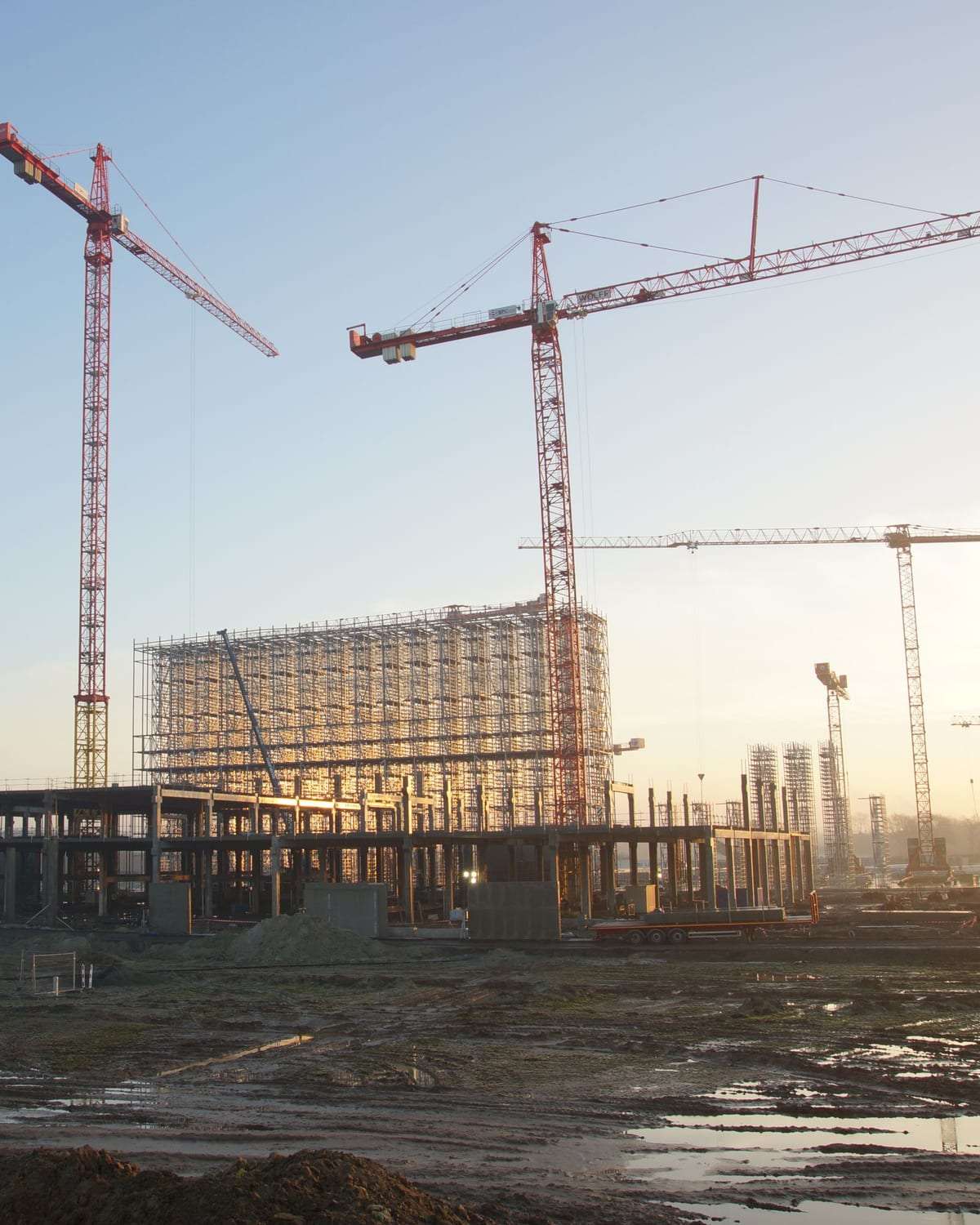
The biggest factor is built-up area — the total area of all floors, not the plot. Every extra floor adds columns, slabs, stairs and services, and every square metre of basement or roof annex has its own cost. Know how each offer measures area: is the basement priced the same? The roof, stairs and balconies? Two offers with the same rate per metre can differ greatly in total because of the measurement method alone.
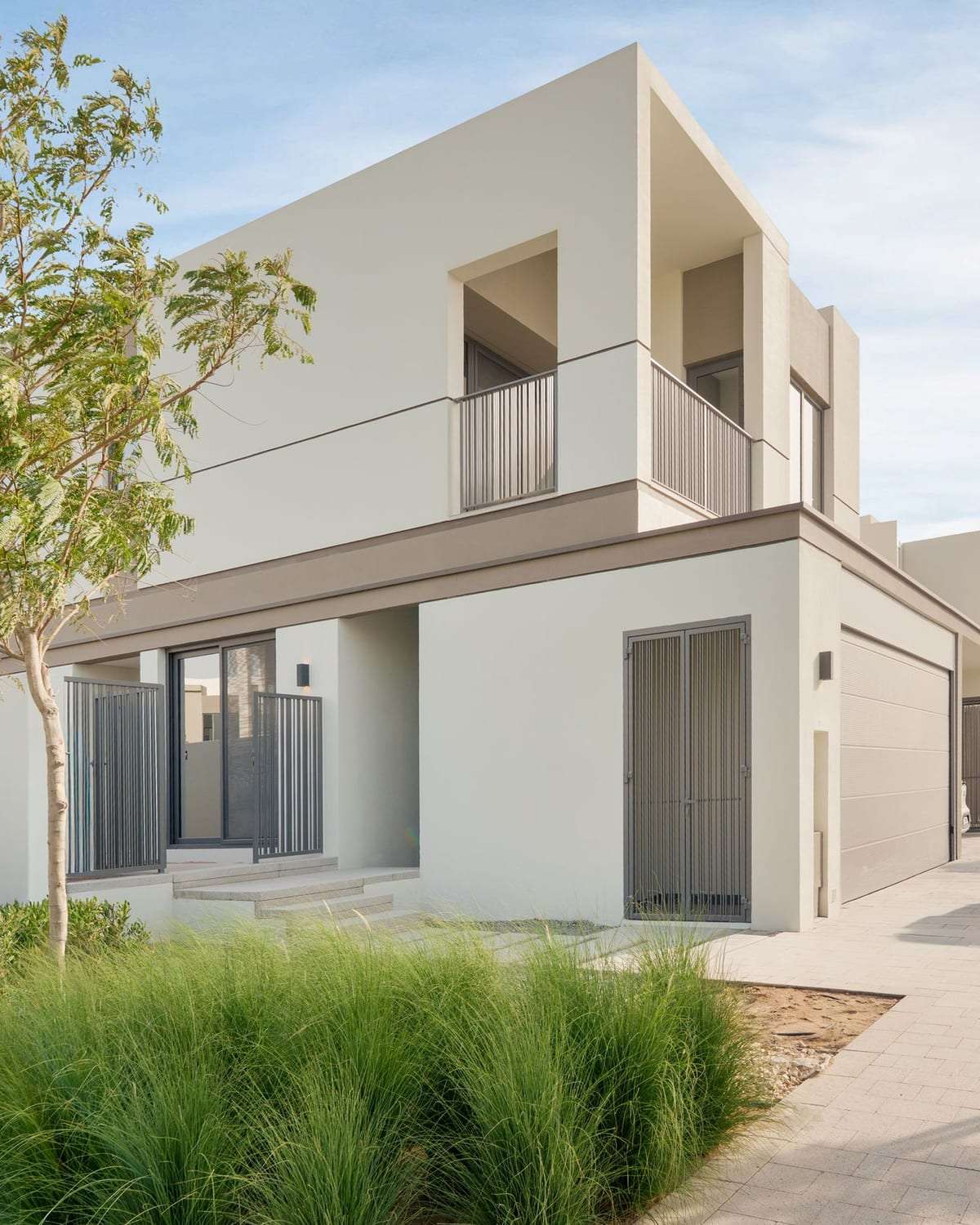
Smart design saves without cutting: wasted space, long corridors and complex massing raise area and cost without adding real comfort. A good session with the engineering office before approving the design can save more than any haggling with a contractor later.
Shell or turnkey?
A shell contract covers the structure only; a turnkey contract covers the whole house. So never compare a shell price with a turnkey price. Even within shell work, prices differ widely depending on who supplies materials: a “labour only” contract looks much cheaper because steel, concrete and blocks are on the owner.
Read shell vs turnkey to see which path suits your budget and how much you can follow the build.
Finishing level
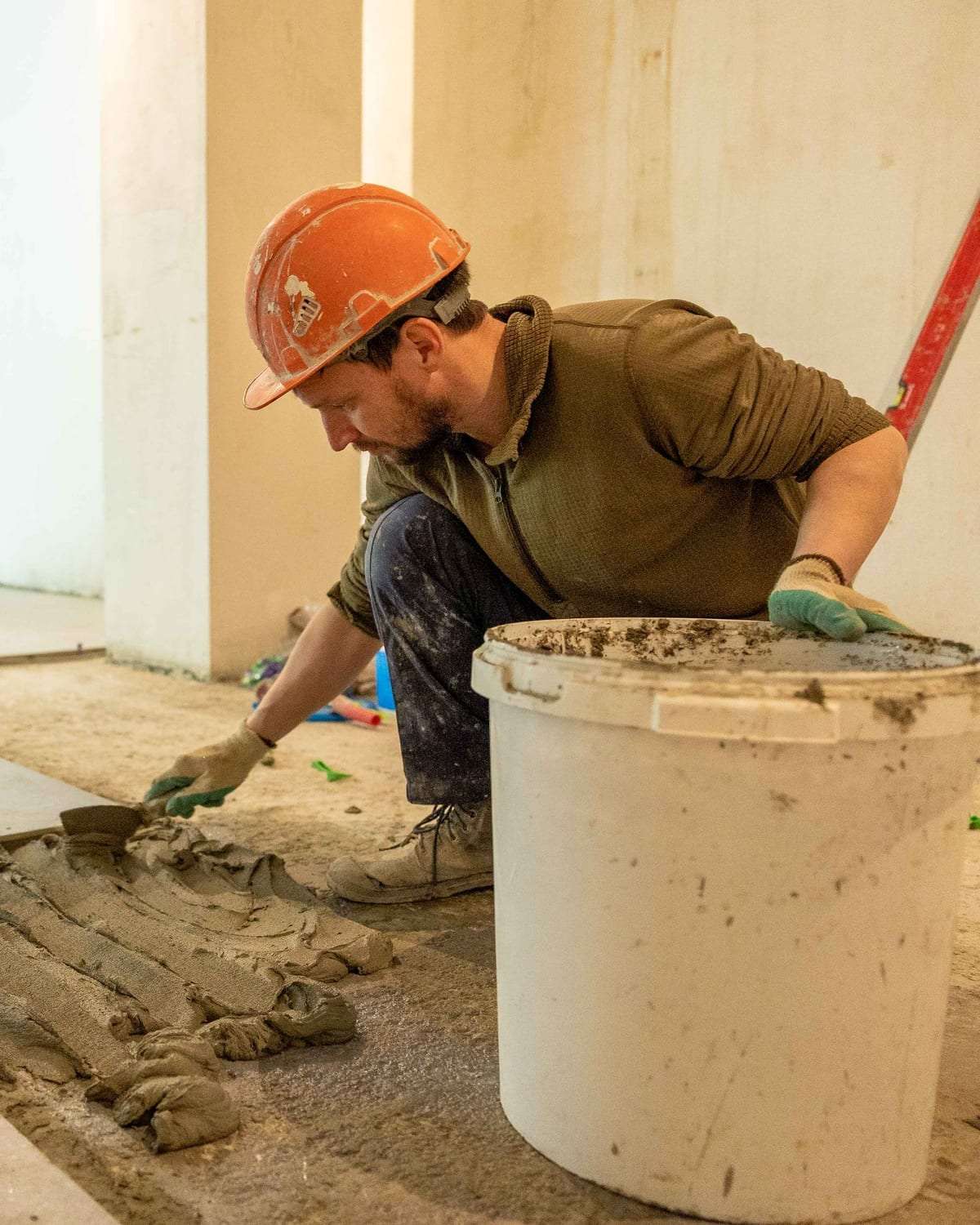
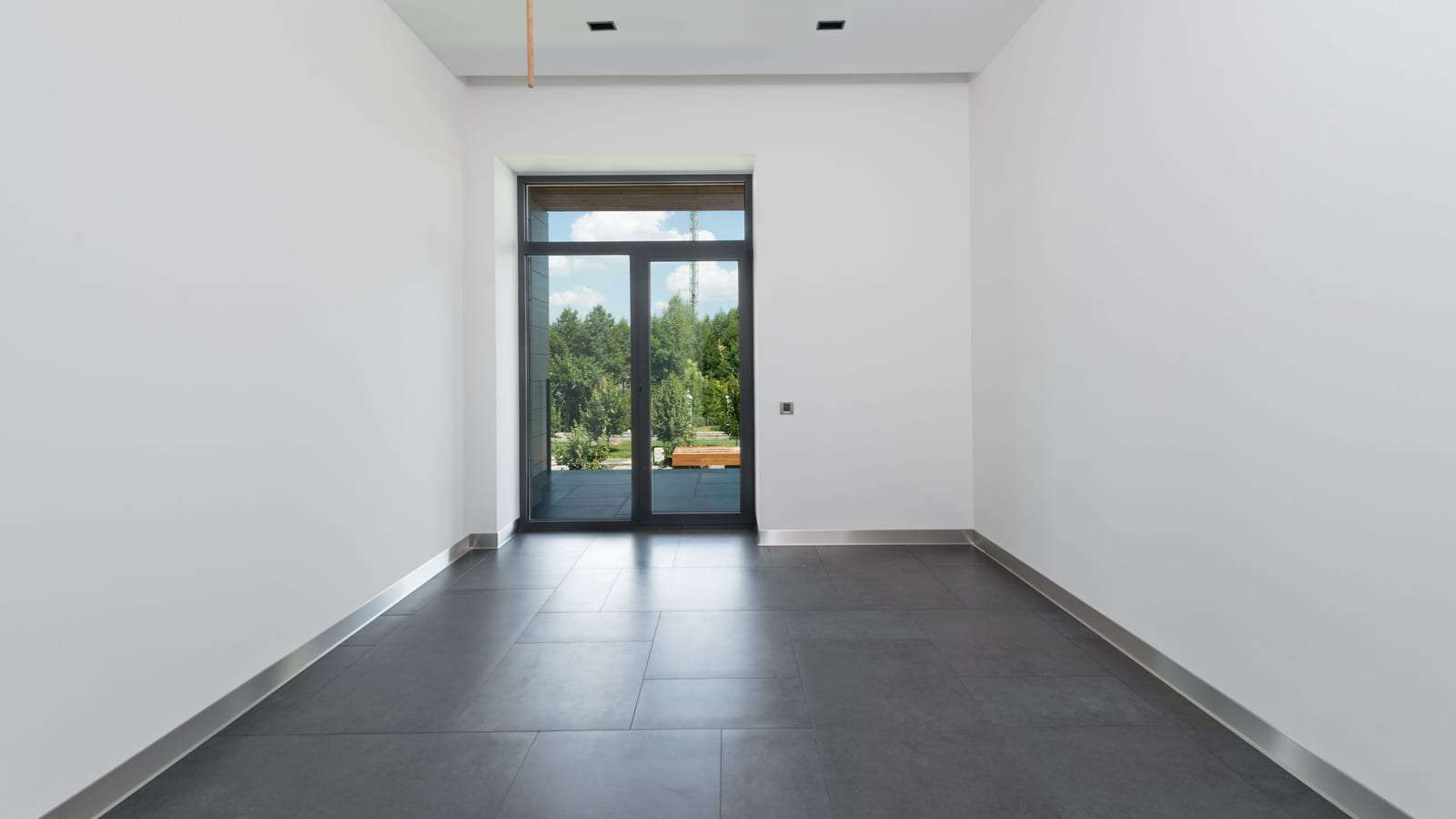
After area, the finishing level is the biggest factor in the total cost. The difference between “standard”, “medium” and “luxury” isn’t a word — it’s the grade of tiles and marble, the type of doors and windows, gypsum ceilings and lighting, facade materials and the level of sanitary ware. Some items can double from one level to the next.
Our advice is to spend deliberately: invest in what is hard to change later — insulation, services, windows, structure — and save on what is easy to replace in a few years, like some lighting and paint. Read finishing levels explained.
Structural system, soil and foundations
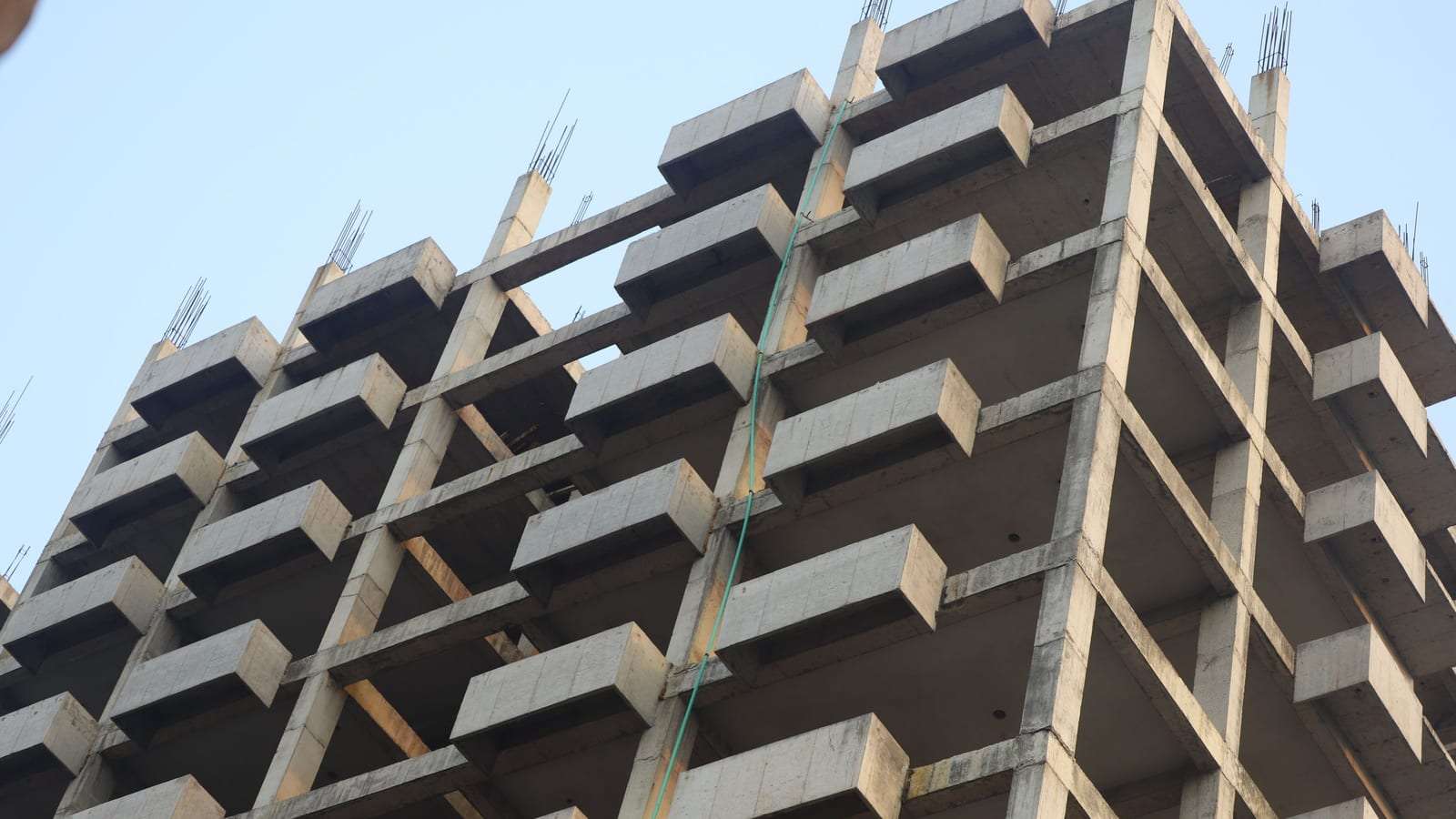
The structural drawings set the quantities of steel and concrete, which depend on spans, heights, a basement and loads. The soil sets the type and depth of foundations: good soil allows ordinary foundations, while weak, expansive soil or a high water table may need deeper foundations, treatment or extra waterproofing — costs that only appear after a soil investigation.
A soil investigation, where required or advisable, isn’t an extra cost — it’s what makes contractor offers realistic and prevents “surprises” after excavation.
Materials and price changes
Steel, cement, ready-mix concrete and block prices move with the market, and a contractor’s offer can change from one month to the next for that reason alone. Ask how long an offer is valid and how price changes during the build are handled: is the price fixed, or adjusted by an agreed method if certain material prices change?
If you supply materials yourself, also count transport, storage, wastage and your time.
Basements, annexes and external works
A basement is one of the costliest items per square metre, needing deeper excavation, retaining walls, good waterproofing and ventilation. Roof and ground annexes, the boundary wall, paving, car shades and ground tanks must all appear clearly in the offer — they’re often forgotten in the first estimate and added later. Read about boundary walls and external works and annexes.
Services, AC and insulation
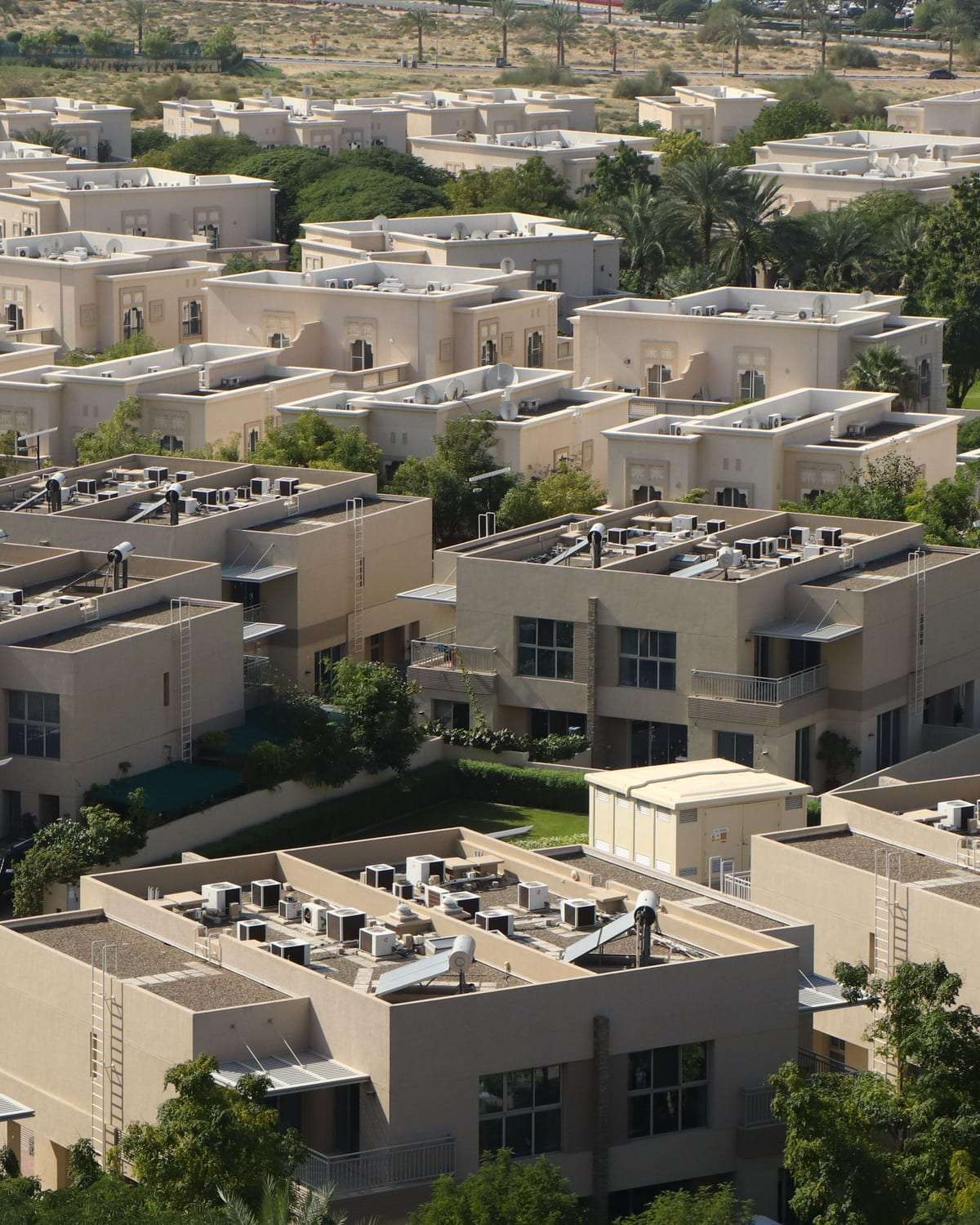
Electrics, plumbing, drainage and AC provision disappear behind the finishes, but they decide the comfort and running costs of the home for years. So does thermal insulation of the roof, walls and windows, which eases the AC bill through the Kingdom’s long summer. These aren’t places to save at the expense of quality.
Design, supervision and permit fees
Budget for the engineering office’s design fee, supervision fees during construction, permit and testing fees, and utility connections. They’re small compared with the build, but real — leaving them out makes the budget look smaller than it is.
Timing and contractor demand
A shorter programme usually means bigger crews and more labour, which can raise the price. Demand for contractors varies by season and city; a contractor with many projects may price higher or take longer. Flexibility on the start date can get you a better offer.
How to request comparable offers
- Request offers on final drawings or one bill of quantities, not a verbal description.
- Set the finishing level with a specification schedule, or clear allowances per item.
- Ask every offer to state what it includes and excludes, and how areas are measured.
- Compare schedules and payment plans, not just the totals.
- Get at least three written offers, and have an engineer review them.
Remember that SaudiContractor isn’t a contractor and doesn’t set prices: contractors set prices in their offers, and the contract is between you and the one you choose. Start with requesting offers.
FAQ
Why don’t you show a price per square metre?
Because the rate changes a lot with city, soil, finishing level, materials and timing, and any general figure would mislead. Written offers based on your drawings are the real number.
Is the lowest offer the best?
Not necessarily. Compare scope, specification and quantities — the lowest may be lower because it includes less.
How do I protect my budget from increases during the build?
Final drawings before signing, a written specification, an agreed way to price changes, and a contingency in the budget.
Can I build in stages to spread the cost?
Yes — many finish the shell and do finishing later. Read shell vs turnkey.
Is requesting offers free?
Yes — requesting offers through SaudiContractor is free and without obligation.
We deliberately show no prices on this page. Contractors set prices in their offers based on your project’s details, and the contract is between you and the party you choose. This guide is general information, not engineering advice.