The structure everything rests on
Villa shell construction (عظم): a contractor for your structure
The shell is the stage nobody sees once the family moves in, yet it decides the life of the whole house: foundations, columns, slabs and walls. Many families in the Kingdom contract a shell builder first and then handle finishing themselves or with another contractor — to control the choice of materials and finishes, or to spread the budget over stages.
With SaudiContractor you describe your project once — city and district, approximate built-up area, number of floors, and the status of the land, drawings and permit — and your request reaches shell contractors in your city who contact you with offers. A real comparison isn’t between numbers but between written offers with the same scope and specification, and that’s what we help you get to.
What a shell contract usually includes — and excludes
“Shell” doesn’t mean the same thing to every contractor, so the scope must be written item by item. A shell contract usually covers:
Excavation and backfill
Excavating to the foundation level in the drawings, then backfilling and compacting in layers around the foundations.
Foundations
Blinding concrete, footings, ground beams and necks, with suitable insulation for parts in contact with the soil.
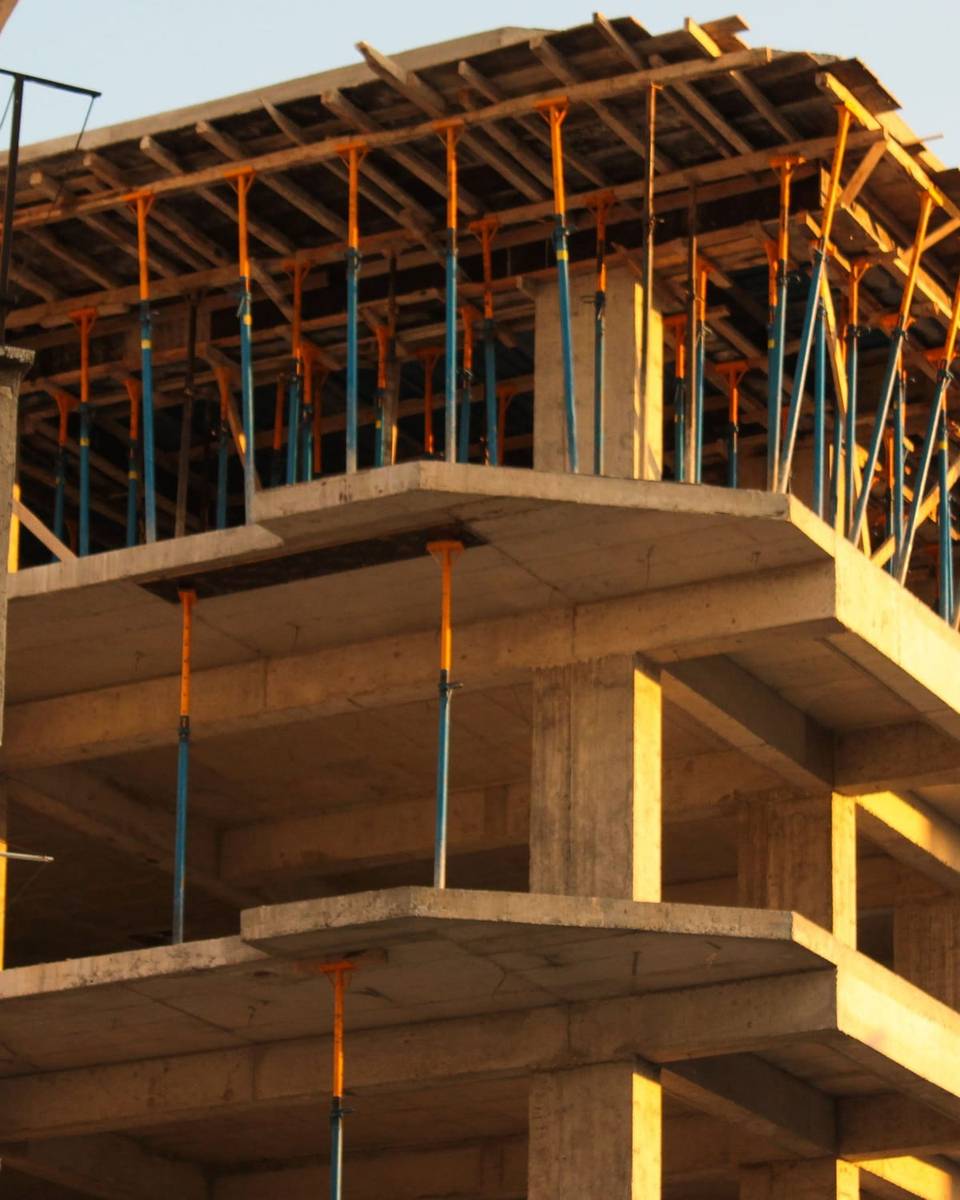
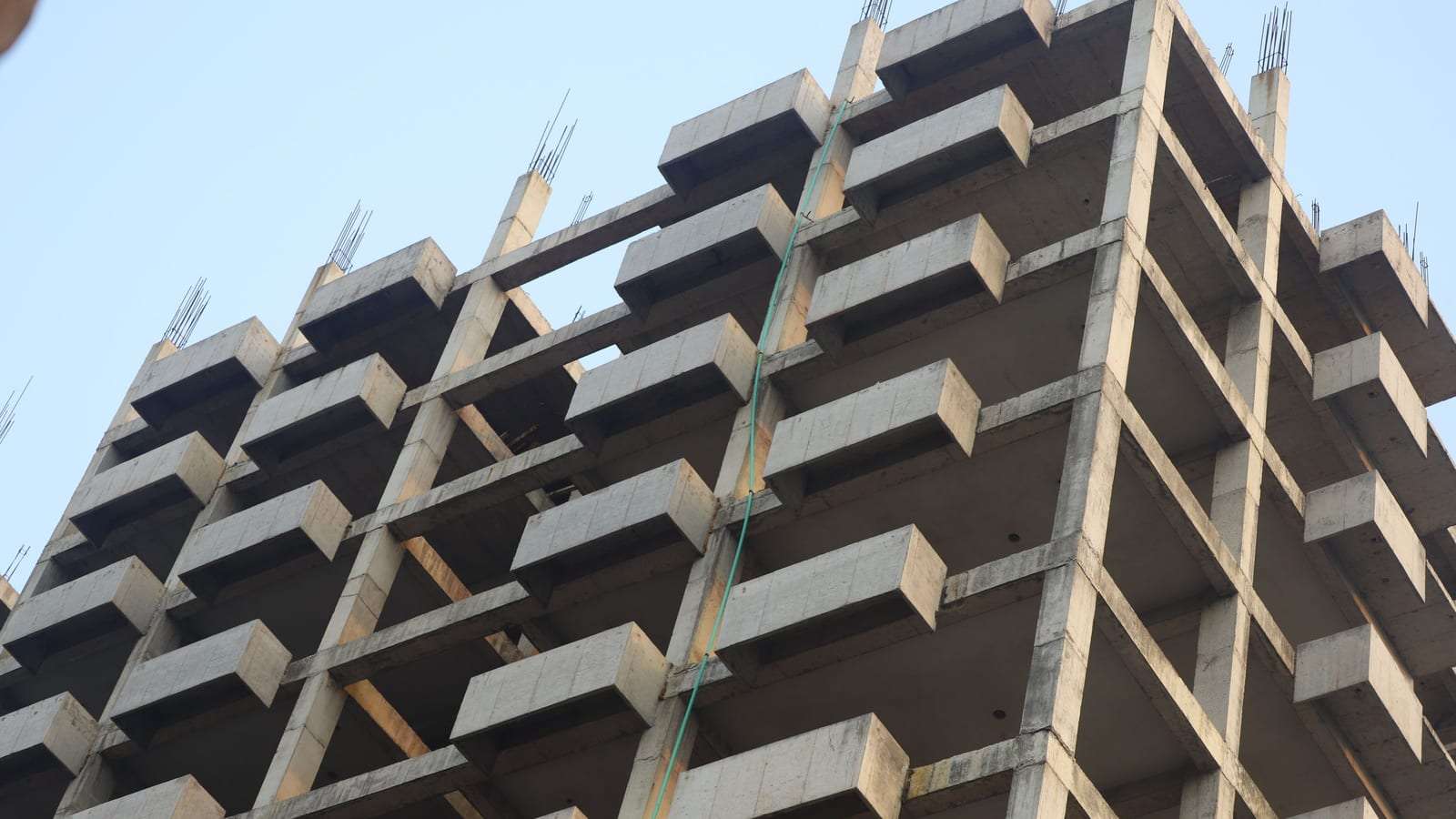
Concrete frame
Columns, beams, slabs and stairs, with steel and concrete as per the structural drawings.
Blockwork
External and internal block walls, and sometimes the boundary wall if the contract says so.
What it usually excludes
Plaster, electrical and plumbing, tiles, paint, doors and windows — these belong to finishing unless the contract states otherwise.
Points to clarify
Who supplies the steel and ready-mix concrete? Are conduits inside the slabs included? Is roof waterproofing and insulation part of the shell or of finishing?
Who is shell construction for?
A shell contract suits owners who want to choose finishing materials and where the money goes themselves, or through an engineer, and who have time to oversee two stages and two contractors. It also suits building in stages as cash allows: shell now, finishing months later.
If you want one party responsible from foundations to keys and can’t follow the site daily, a turnkey villa may suit you better. Read shell vs turnkey to decide calmly.
The stages of a shell build and rough timing
Duration depends on area, floors, a basement, and the availability of labour and materials, so we don’t give fixed durations. The stages usually run like this:
Site handover and setting out
Levelling the site and setting out the axes and zero level with the supervising engineer present.
Excavation and foundations
Excavation, blinding, then footings and ground beams, with an inspection before every pour.
Columns and slabs floor by floor
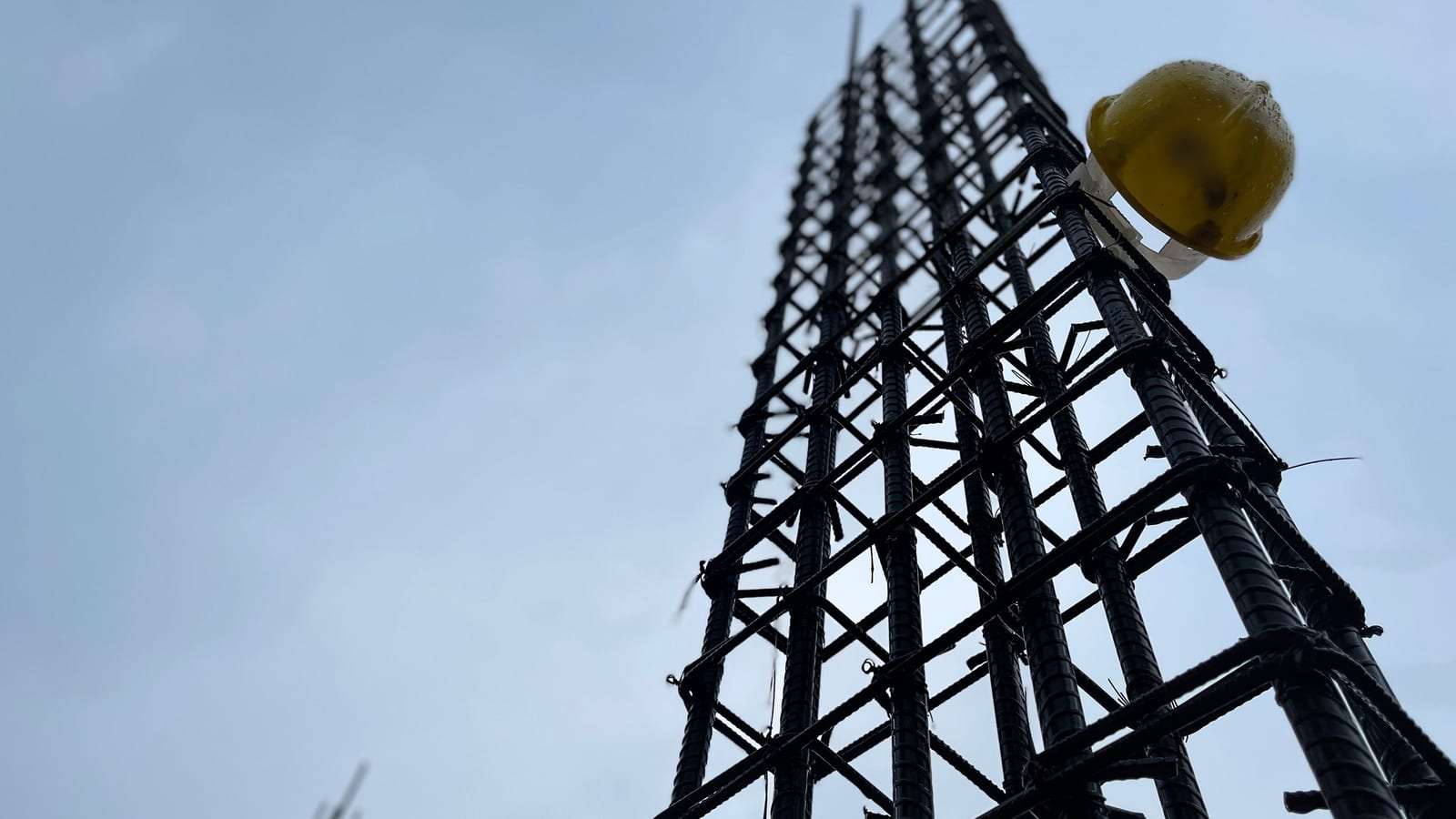
Formwork and reinforcement, inspection of the steel, then pouring and curing, and striking formwork after the right time.
Blockwork
Building block walls once the frame is complete, leaving openings as per the drawings.
Handover
Reviewing the work with the engineer, recording snags, and settling the final payment.
In summer, working hours are affected by the midday outdoor work restrictions, and concrete needs more careful curing with water and covers.
What to prepare before requesting offers
- The land deed or proof of ownership, and its boundaries and area.
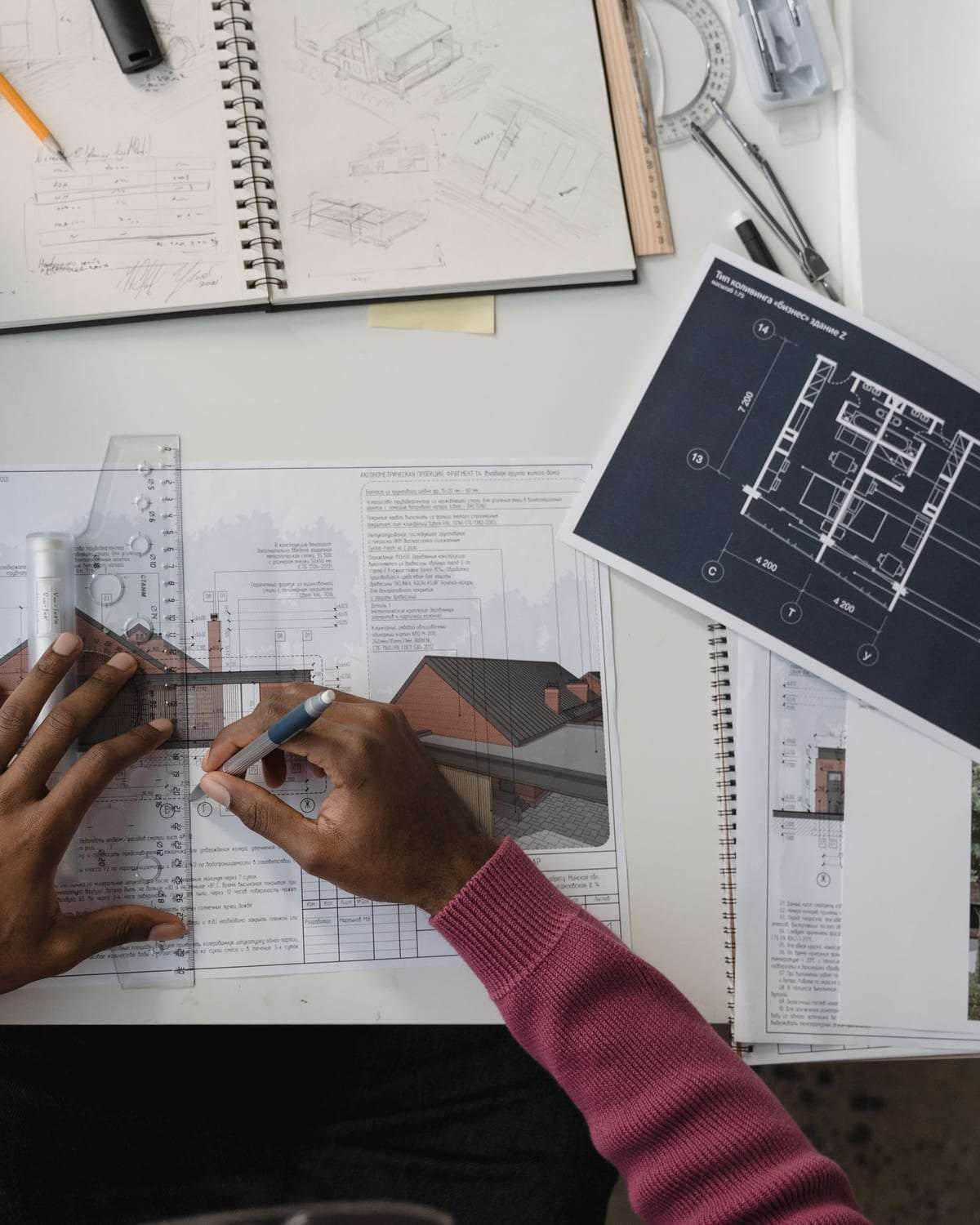
- Architectural and structural drawings approved by a licensed engineering office, plus steel and concrete schedules if available.
- The building permit, or the stage it has reached.
- A soil report if required or available.
- A clear view: are steel and concrete on the contractor or on you? Should the contract include the wall or an annex?
If your drawings aren’t ready yet, start with engineering design and supervision — a serious contractor can’t price accurately without drawings.
How shell offers are usually built
Shell contractors usually price in one of two ways: a rate per square metre of built-up area, or a lump sum for the whole project based on the drawings. A per-metre rate is easy to compare but needs a clear agreement on how areas are measured: do the basement, roof, annexes and stairs count? A lump sum needs a bill of quantities or final drawings, or every detail becomes “extra work”.
The biggest difference between offers comes from one question: who supplies the materials? Some contracts are “labour and materials” by the contractor; others are “labour only”, with the owner buying steel, concrete and blocks. Each has its merits — just never compare an offer with materials to one without.
Payments are usually tied to completed stages — after foundations, after each slab, after blockwork — with the owner retaining a share of each payment until handover. Read the guide to payment schedules.
Questions to ask a shell contractor
- Registration and classification
Do you have a commercial registration for contracting? Are you classified, if the project requires it?
- Projects you can visit
Can I see a villa you’re building or have finished, and speak to the owner?
- Materials and sources
What are the steel, concrete and block specifications, and from which sources? Are concrete cubes tested?
- Team and supervision
Who is your site engineer, and how do you handle comments from the owner’s supervising engineer?
- Warranty
What warranty applies to the structural works after handover, and how is it written in the contract?
- Delays
What is the schedule, and what happens if work runs late?
Warning signs
- A price far below the others with no explanation of what it covers.
- A large advance before any work starts on site.
- Refusing to write specifications, or vague wording like “as per standard practice”.
- No site engineer, or refusing a supervising engineer on your side.
- Rushing a pour before the steel and formwork are inspected.
- No previous projects you can see.
What drives the cost of a shell?
We don’t quote prices — they change with the city, the market and materials. These are the factors that move offers:
- Built-up area and number of floors, and any basement or roof annex.
- The structural system and the steel and concrete quantities in the drawings.
- Soil conditions, foundation depth and any treatment needed.
- Materials supplied by the contractor or by the owner.
- Steel and concrete prices at the time of the build.
- Site access and the required schedule.
Read the building cost guide to see how to compare offers on the same scope.
Shell construction: FAQ
Does the shell include plaster?
Usually not — plaster is finishing. Some contractors offer “shell and plaster”, so read the written scope carefully.
Should I buy steel and concrete myself?
It can save money if you have experience and time, but it puts quantities, timing and quality on you. A contract including materials is easier to manage if specifications are precise.
Do I need a supervising engineer if the contractor has one?
The contractor’s engineer works for the contractor. A supervising engineer on your side checks the work against the drawings before pours and payments. Read why supervision matters.
How long does the shell stage take?
It depends on area, floors, a basement and the season. Ask each contractor for a written schedule by stage and compare them.
Can I build in stages?
Yes — many finish the shell and pause until the finishing budget is ready. Protect the structure and openings during the pause.
Is SaudiContractor a contractor?
No — we pass your request to contractors in your city. The agreement, contract and work are directly between you and the contractor you choose.

Request offers from shell contractors
Describe your project once and let shell contractors in your city contact you with their offers.