Why words aren’t enough
“Luxury” doesn’t define the marble type, thickness or origin, the mixer brand, or the interior door type. So a contract saying “luxury finish” without a specification gives the contractor wide freedom, and they often choose the cheapest that can still be called “luxury”.
The fix is to use finishing levels only as a starting point, then write for each item its material, brand or grade — or a set allowance. Offers become comparable and what you’ll receive is clear before you start. Many beautiful homes aren’t “luxury” in every item but a smart mix: luxury in what you see and touch daily, medium in what doesn’t draw the eye.
Tiles and flooring
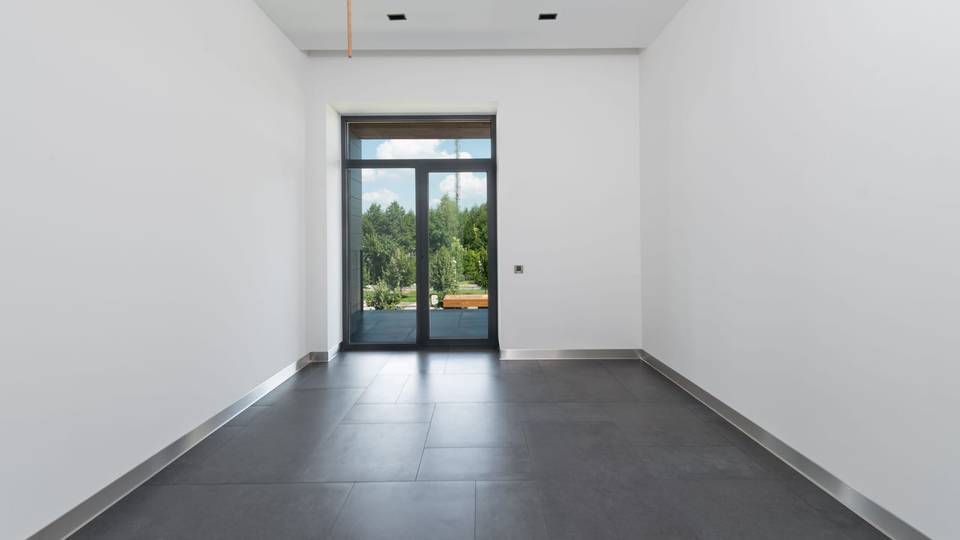
Standard usually means ceramic or porcelain tiles in conventional sizes and economy grades. Medium means larger porcelain with better flatness and colour consistency, perhaps marble at the entrance and stairs. Luxury means natural marble or very large-format porcelain with special finishes, and more precise joints and corners.
The difference isn’t only material but workmanship: large tiles need a perfectly flat base and skilled labour, or the differences between pieces show. If you choose large formats, ask about the crew’s experience and see their previous work. In bathrooms and kitchens, choose slip-resistant floor tiles whatever the level — safety has nothing to do with luxury.
Doors and windows
Interior doors range from economy ready-made doors, to solid timber with better finishes, to bespoke full-height doors with distinctive handles and hardware. The difference shows in sound, durability and feel in daily use.
Windows are an item where you shouldn’t save much: a good window with double glazing and good sealing cuts heat, dust, noise and power bills for years. The difference between levels lies in profile type, glass quality and sealing, not just looks. The front door is the face of the house, and many owners invest in it even when the rest is medium.
Ceilings, lighting and paint
Gypsum false ceilings are common at every level; the difference is design and complexity — simple at standard, with concealed lighting at medium, bespoke per room at luxury. Complex gypsum adds cost and collects dust, so don’t overdo it.
Lighting makes a big difference to how a house feels at relatively modest cost, and good lighting design with medium fittings is often more beautiful than luxury fittings scattered without a plan. Paints vary in quality, washability and moisture resistance, and are among the easiest items to renew later.
Sanitaryware and kitchens
Sanitaryware ranges from economy to mid-range and upper-range brands; the difference is mixer quality, lifespan, ease of maintenance and spare-part availability. A cheap mixer that fails after a year with hard-to-find parts isn’t a real saving.
Kitchens are usually a separate item from finishing and vary a lot with materials and appliances, so state in the contract whether the kitchen is included and to what specification or allowance. As for concealed services such as water and drain pipes, choose only good quality whatever the visible finish — fixing them means breaking tiles.
Facades
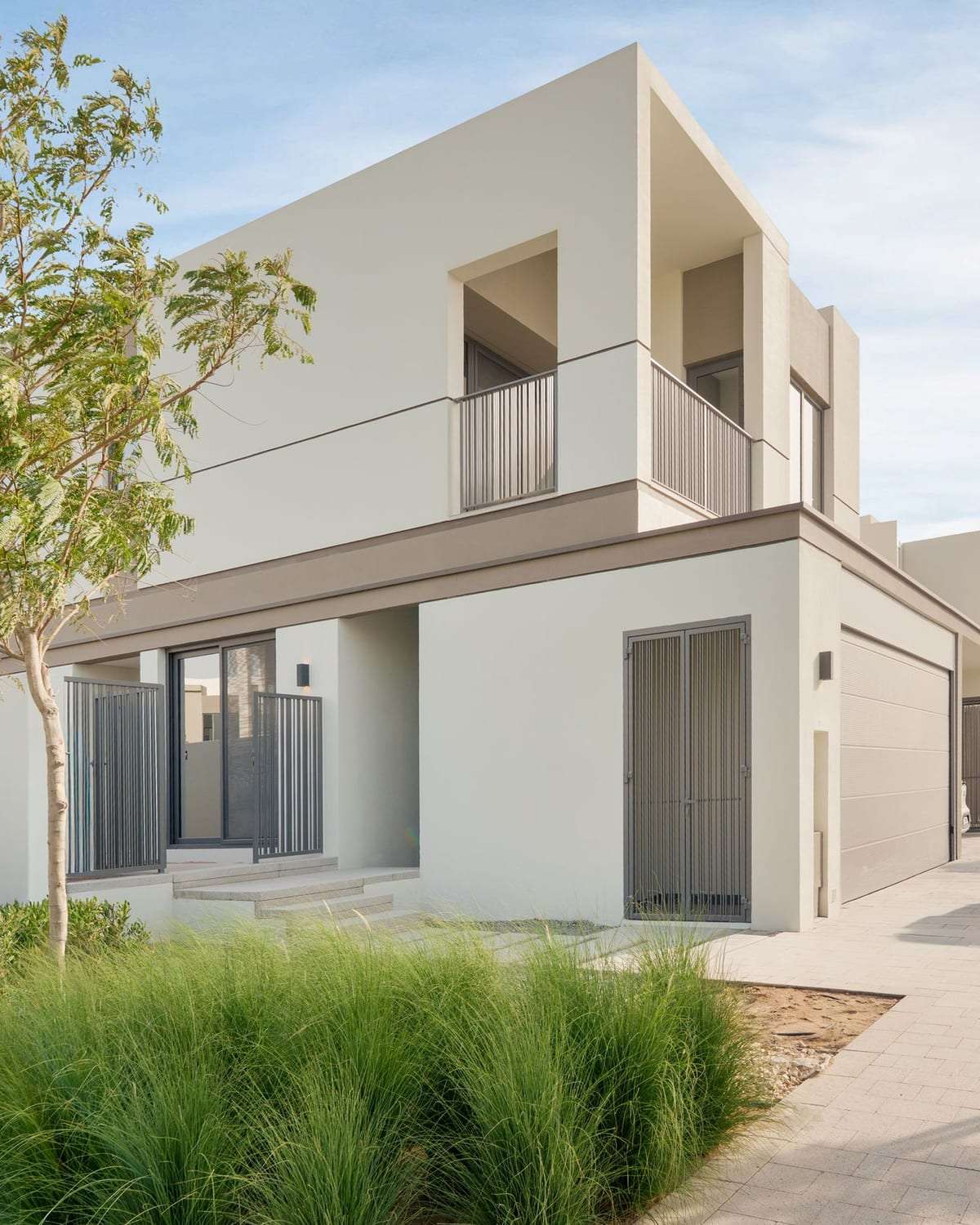
Facades range from plaster and exterior paint, to artificial or natural stone on parts, to full stone, panel or glass facades. A luxury facade needs correct fixing and waterproofing — badly fixed stone can fall or let water in. Choose facade materials for your city’s climate: what holds up in dry Riyadh may not in humid Jeddah or Dammam. Read your city page to learn what sets building there apart.
Where to invest and where to save
- Invest in what’s hard to change later: waterproofing and insulation, services, windows, and floors in main areas.
- Invest in what you touch daily: mixers, door handles, majlis and living-room floors.
- Save on what’s easy to renew: some decorative lighting, paint and accessories.
- Save in less-used rooms: storage and service rooms.
- Don’t overdo complex gypsum and fixed decor you may tire of in a few years.
The general rule: a house you live in comfortably for years matters more than one that dazzles guests on the first visit.
How to write the specification into the contract
Ask the contractor or engineering office for a specification schedule giving, for each item, the material, brand or grade, size and location. For items you’ll choose later, write a set allowance per metre or per piece and how differences are settled.
Visit showrooms before signing to check the allowances are realistic for the grade you want. Approve samples in writing before ordering and keep photos, so you can compare what arrives on site with what you approved. Read the construction contract and finishing for new builds. And remember: waterproofing and services must be tested before covering at any level — they’re the foundation of any good finish.
FAQ
Is the cost difference between levels large?
It can be large in items such as floors, facades and sanitaryware, and smaller in others. The specification schedule shows the real difference.
Can I mix levels?
Yes — many owners do so smartly: luxury in main areas, medium elsewhere.
Which items should I not save on?
Waterproofing, insulation, services and windows, because fixing them later is costly.
What is a finishing allowance?
A set amount for an item you choose later. Choose more expensive and you pay the difference; cheaper and you get it back.
Does finishing include the kitchen?
Not always. State it explicitly in the contract.
This guide is general information, not engineering or legal advice. Regulations and requirements differ between cities and change over time, so check your project with a licensed engineering office and the relevant authorities.