Start from the house you need, not the number you heard
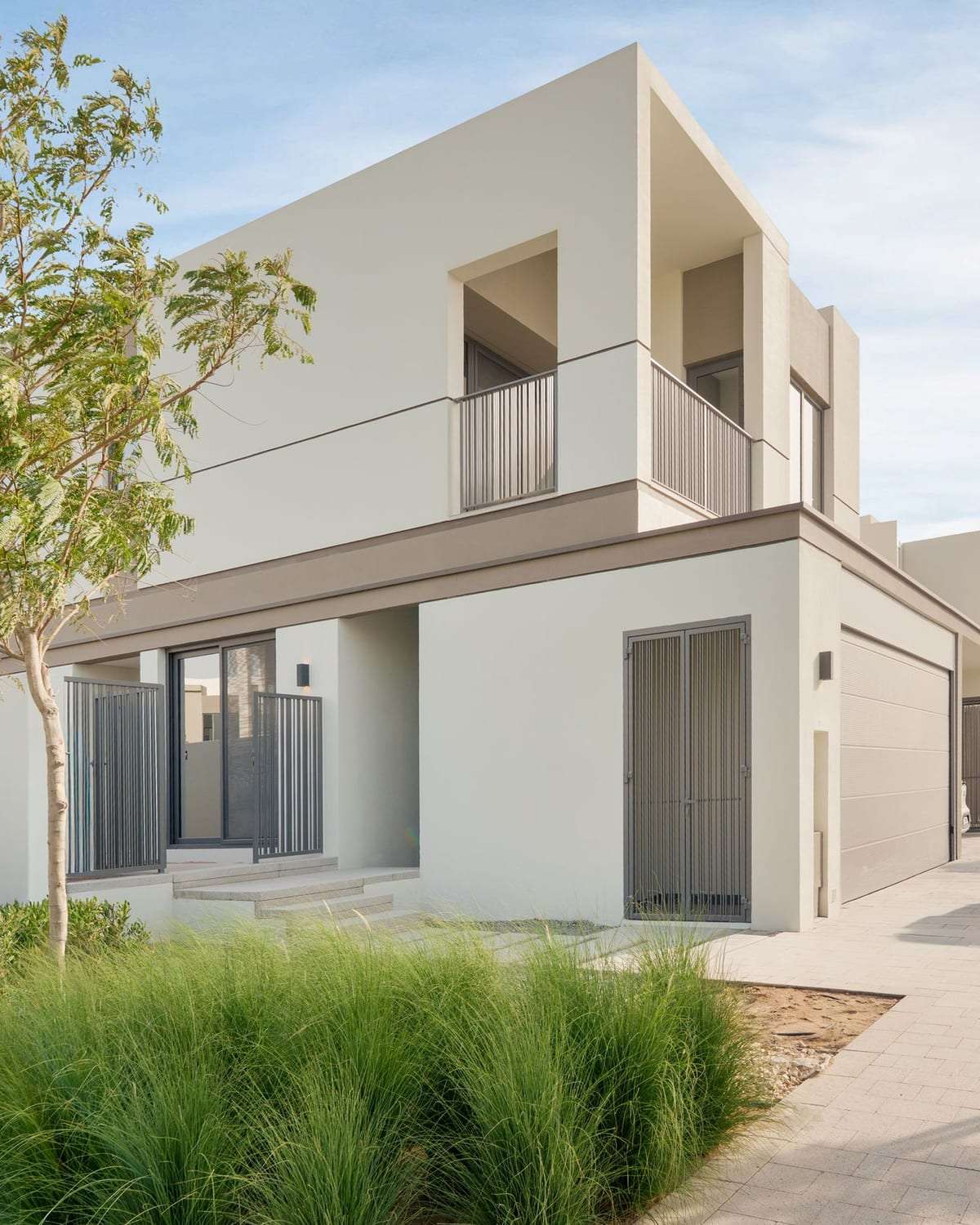
The first step isn’t costing — it’s defining what you actually need: bedrooms, majlis rooms, annexes, basement and finishing level. Many budgets blow up because the owner started with a design bigger than needed, or added things during construction that weren’t in the plan.
Sit with your family and write two lists: “essential” and “nice to have”. Then ask the engineering office for a design that meets the essentials efficiently, with room to add the extras later if the budget allows. Designing an expandable house — allowing for an extra floor in the structural calculations, for example — costs less than building everything now.
Every budget line
A realistic budget covers more than the contractor’s contract. Write down all of these, even the small ones:
- Pre-construction: survey, soil investigation, and architectural, structural, electrical and mechanical design.
- Government fees: permit fees and any required fees or tests, and electricity, water and sewer connections.
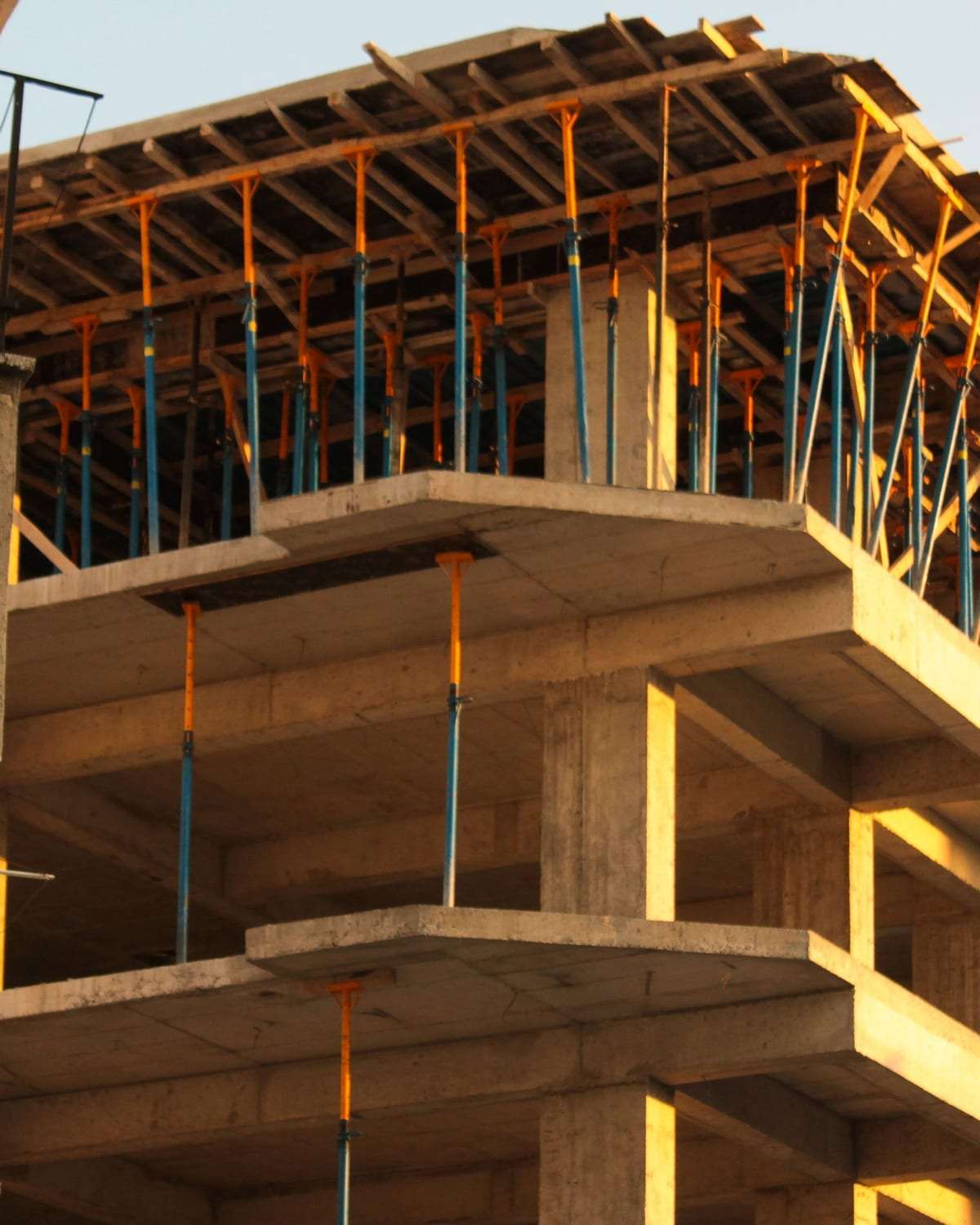
- Shell: excavation, foundations, frame, blockwork and waterproofing, plus any soil treatment or rock excavation.
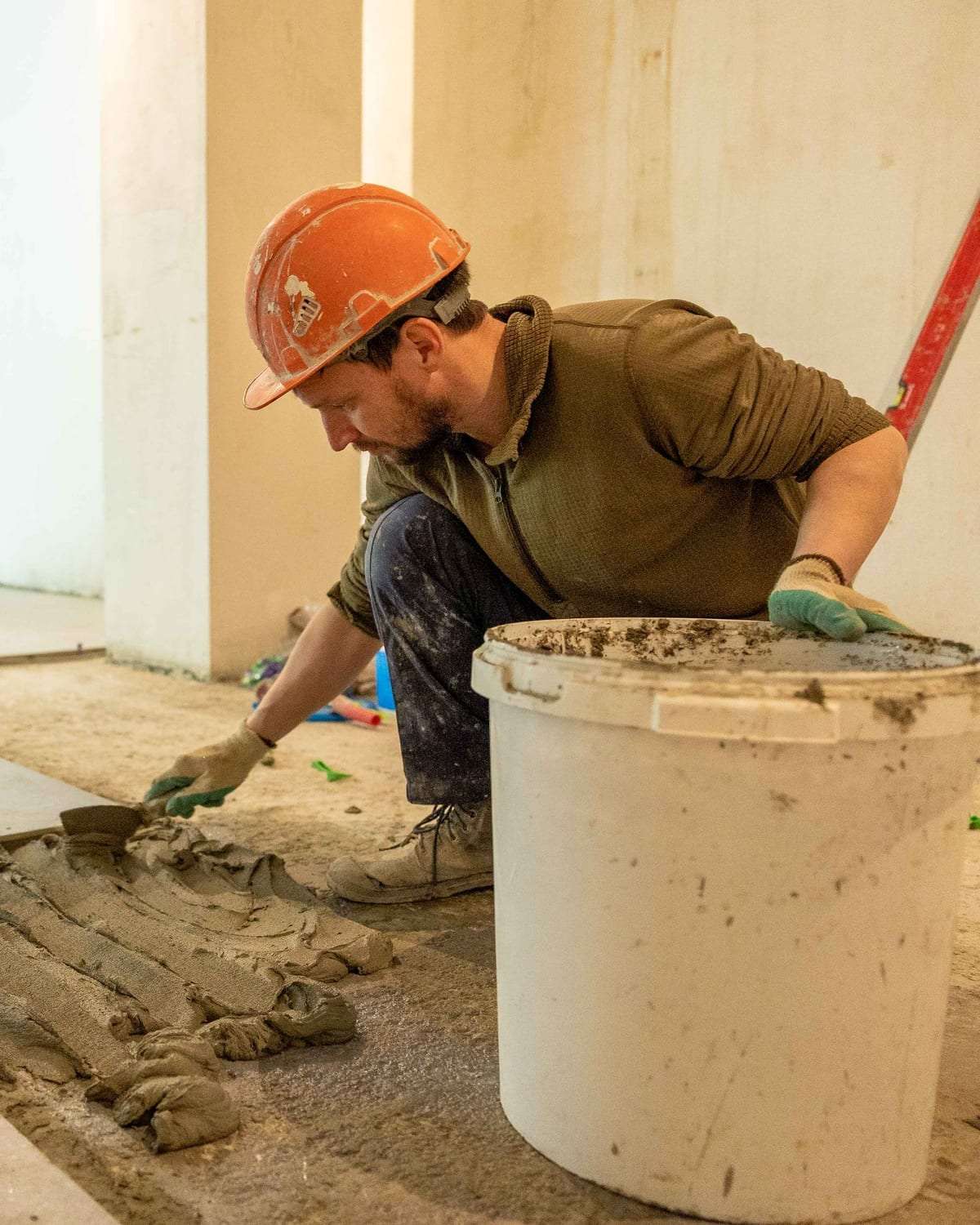
- Finishing: services, plaster, waterproofing, tiles, doors and windows, gypsum, paint, lighting, sanitaryware and facades.
- External works: walls and gates, paving, car shades, tanks and garden.
- Systems: AC units, water heaters, pumps and security systems if not in the contract.
- Engineering supervision for the whole build.
- Kitchens and wardrobes if not part of finishing.
- Contingency for surprises and changes.
Furniture and appliances sit outside the building cost but come from the same pocket, so include them in your overall plan.
How to get real figures
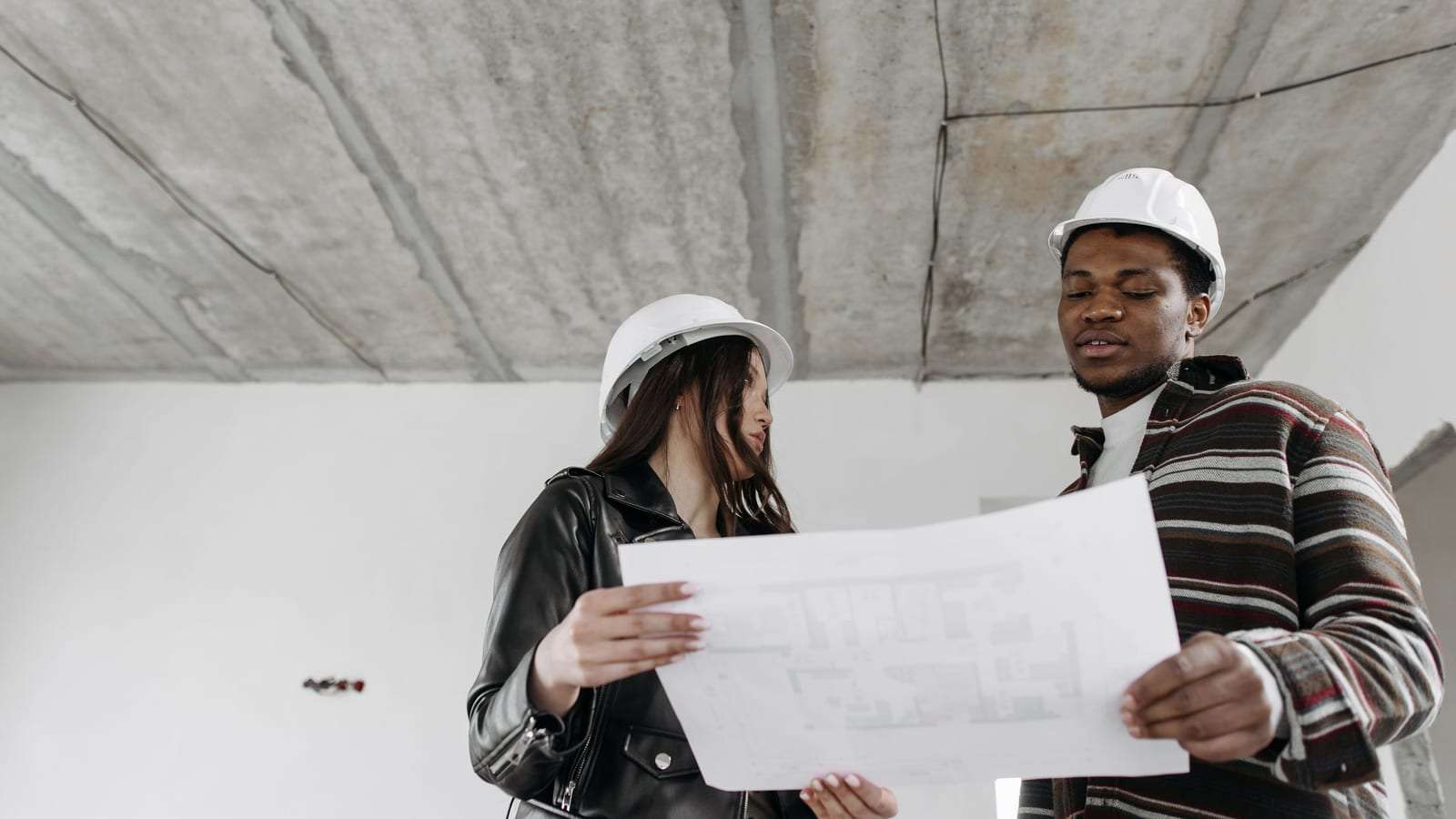
Real figures come from written offers on real drawings, not from the “price per metre” people pass around. Ask at least three contractors for detailed offers on the same drawings, and ask the engineering office for an independent quantity estimate if possible, so you know whether the offers make sense.
In the offers, watch what each one excludes: the lowest may be lowest because it left walls, waterproofing or main services out of scope. Put the offers in one table, item by item, and complete each with the cost of missing items to compare the true total.
For items you choose later, such as tiles and lighting, visit showrooms early to learn the prices of the grade you actually want, rather than relying on the contractor’s allowance and discovering it isn’t enough.
Contingency: how much to keep?
Hardly any building project goes exactly to plan. Soil may need treatment, a material price may rise, or you may realise mid-build that you want to change something. Contingency isn’t a luxury; it’s a core part of the budget.
Its size depends on how complete your information is: with a soil report, full drawings and a contract with a precise specification, there are fewer surprises. Start with gaps and you need more. Ask your engineer what’s reasonable for your project. The golden rule: don’t spend contingency on extras mid-project. Keep it for emergencies until handover, then use what’s left as you wish.
Items many people forget
- Rent on your current home for the whole build, if you rent.
- The cost of your own follow-up: leave and travel if you live in another city.
- Rock excavation or soil treatment if not in the offer.
- Removing waste and cleaning the site at the end.
- Extending services from the street to the house, and extra meters for an annex or flat.
- Curtains, mirrors and small accessories that add up quickly.
- The cost of delay: every month late means more rent and longer follow-up.
Write these into your budget from the start, even as rough estimates.
Spreading cash across stages
Building costs aren’t paid at once but in stages tied to progress. So you need to know when you’ll need each amount: design and permit fees at the start, shell payments over months, then finishing payments, external works, and finally the last payment and retention.
Put a cash timeline beside the construction schedule and make sure funds are available before they fall due. A project that stops because the owner didn’t have the payment ready runs late and costs more, and the contractor may lose their crew to another job.
If you’ll build in phases as cash allows, make the pause points sensible — after the shell is complete and protected from the weather, for example, not halfway through pouring slabs. Read payment schedules.
Tracking the budget during construction
Open a simple sheet on day one: item, planned amount, amount paid, difference. Record every payment and every change order as it happens. Budgets don’t blow up at once — they leak through small additions nobody recorded.
Before approving any change, get its price and time from the contractor in writing, and ask yourself: essential or nice to have? Can it wait until after handover? Many improvements are easy once you live there, without delaying the project or eating the contingency. Review the sheet with your engineer at each key stage so you see early if you’re heading over budget.
FAQ
Why don’t you give a price per square metre?
Because it varies a lot with soil, design, finishing level, city and timing, and any general figure could mislead you. Written offers on your drawings are the reference.
How much contingency should I keep?
It depends on how complete your information is. Ask your engineer what’s reasonable for your project, and keep more if there are gaps.
Should I build in phases if the budget is short?
You can, but make the pause points sensible, protect the shell from the weather, and plan services from the start.
What raises the budget most during construction?
Changes after work starts, a higher finishing level than planned, and items that weren’t in the contract.
Do I save by buying materials myself?
You may, but you carry transport, storage, waste and follow-up. Count those costs before deciding.
This guide is general information, not engineering or legal advice. Regulations and requirements differ between cities and change over time, so check your project with a licensed engineering office and the relevant authorities.