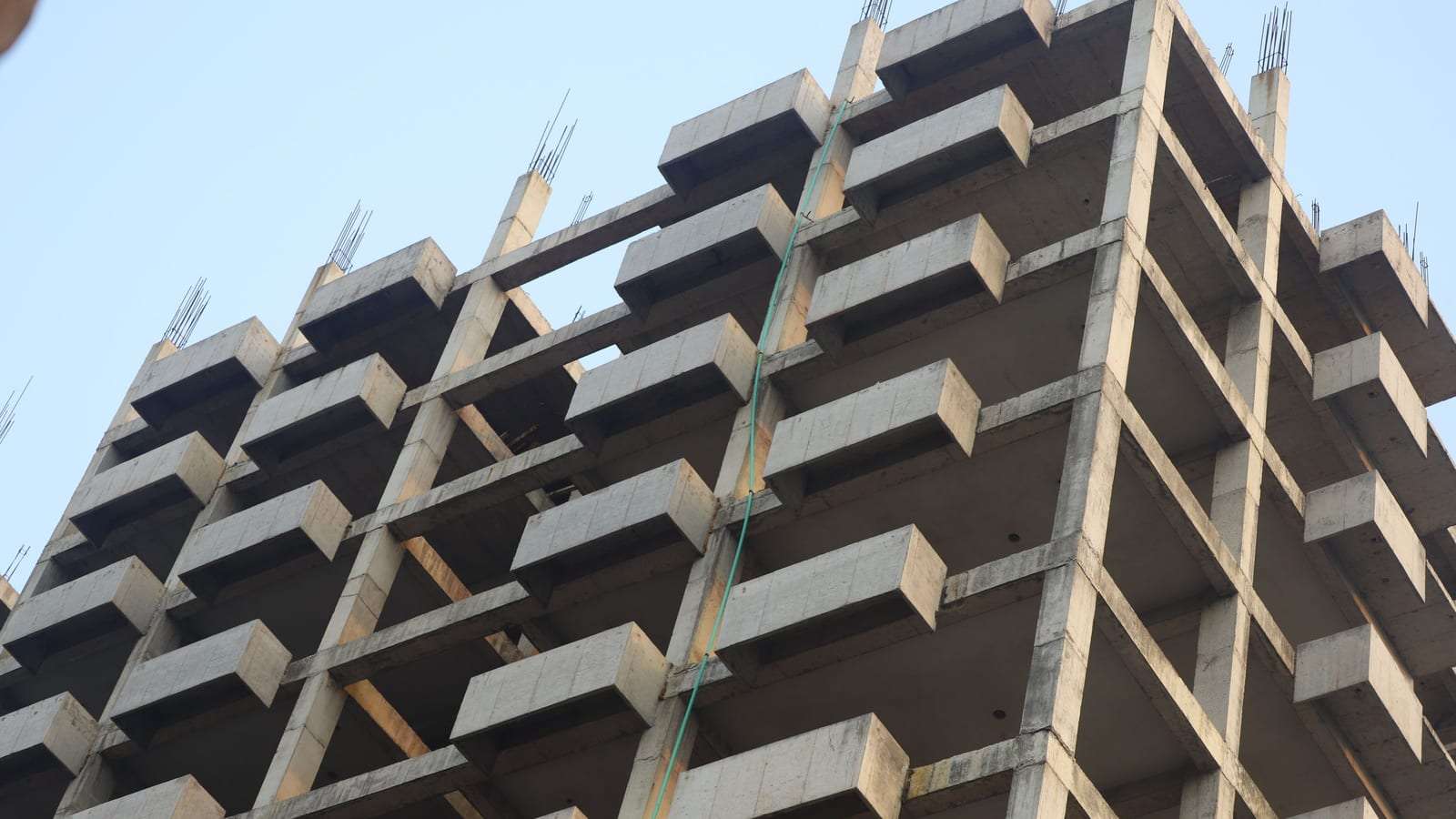
The core principle: pay for what’s done
The golden rule of payment schedules is that each payment matches a completed stage you can see and measure: foundations poured, ground-floor slab poured, blockwork complete. Not “month three” or “two weeks after the last payment”.
Paying by date means the contractor is owed the payment whether they progressed or not, removing the incentive to keep to schedule. Paying by progress puts the contractor’s interest in fast, good work, because cash only comes after it. And each payment’s value should match the value of work done at that stage, not exceed it — otherwise you are effectively paying the contractor in advance and taking on needless risk.
The advance
Many contractors ask for a payment at signing to set up the site, buy first materials and mobilise equipment. That’s understandable, but the size matters: a small, reasonable advance helps the start; a large one shifts all the risk to you before you see any work.
If a contractor asks for a large advance, ask why and suggest alternatives: pay it in two parts, or tie it to delivery of specific materials to site that you see yourself. A contractor who insists on a large sum before any work, without a clear reason, is a warning sign. If you’re supplying materials under a labour-only contract, the advance should be smaller still.
Typical stages for a shell payment schedule
Stages vary with project size and floors, but a shell schedule is usually tied to stages like:
- Site preparation, excavation and soil replacement if needed.
- Footings and ground beams poured, waterproofed and backfilled.
- Ground-floor columns and slab poured.
- Columns and slab of each additional floor poured.
- Roof, stairs and tanks.
- Blockwork complete.
The contract sets each stage’s share of the total according to its work value. Ask your engineer to review the shares to make sure they match the work and aren’t front-loaded in the contractor’s favour.
Finishing payment stages
In finishing the stages are more numerous and smaller because trades overlap: electrical, plumbing and AC services, then plaster, then tested waterproofing, then tiles, then gypsum and paint, then doors and windows, then sanitaryware and lighting, then facades and external works.
In turnkey both schedules merge into one, with the same principle: each payment for a completed, approved stage. Some materials are delivered well before installation, such as tiles and windows, and the contractor may ask for payment on delivery. That’s acceptable if you see the materials on site and confirm they match the specification. Don’t pay for materials that haven’t arrived, or that differ from approved samples.
The supervising engineer’s role
The supervising engineer approves each stage as complete before you pay. They check the work was done to the drawings and specification — not just that it was done. A slab poured with missing steel isn’t a completed stage, even if it’s standing in front of you.
Write in the contract that each payment depends on a written certificate or approval from the supervising engineer. It protects you, and the serious contractor too, by making the payment criterion clear and objective. Read engineering supervision to learn what the engineer checks at each stage.
Retention
Retention is part of the amount you hold until final handover and the end of the snagging period — deducted from each payment, or as the final payment itself. The aim is that the contractor stays motivated to fix snags after the main work is done.
Without it, the house may be complete with a door that won’t close properly or a small bathroom leak, and the contractor has moved on and doesn’t answer. With retention, fixing snags is the condition for receiving the money. Write the size, when it’s released, and what the owner may do if snags aren’t fixed in the agreed time. Ask a professional what’s usual on similar projects.
Change orders and payments
Every change to the original scope needs a written change order with price and time before work. Agree in the contract how changes are paid: added to the next payment, or paid when the change itself is done? Don’t pay for extra work without a change order, and don’t accept all changes bundled into a surprise “final invoice”. Undocumented changes are the biggest source of payment disputes on building projects.
Common payment mistakes
- A large advance before any work.
- Paying by date, not progress.
- Paying without the supervising engineer’s approval.
- Paying cash without a receipt, or into a personal account instead of the company’s.
- Paying for materials not yet on site.
- Keeping no retention until handover.
- Paying late for a completed, approved stage, stalling the project.
The last one matters too: paying on time for completed work builds trust and gives you the moral and contractual right to hold the contractor to their commitments.
FAQ
What’s a reasonable advance?
There’s no single figure, but it should be relatively small and tied to real mobilisation. Ask your engineer what’s usual on similar projects.
Should I pay by date or progress?
Always by progress approved by the supervising engineer.
What is retention?
Part of the amount you hold until final handover and the end of the snagging period, to make sure snags are fixed.
Should I pay on material delivery?
You can, if the materials are on site, you’ve seen them, and they match the approved samples.
How should I pay?
By bank transfer to the registered company’s account, with a receipt or invoice for each payment.
This guide is general information, not engineering or legal advice. Regulations and requirements differ between cities and change over time, so check your project with a licensed engineering office and the relevant authorities.