1. Going to contractors before having drawings
Many owners call contractors first and ask for “a price for a two-storey villa”. The result is guesswork offers that can’t be compared and change a lot when real drawings arrive. An owner may sign at one price, then find the final drawings need far more steel and concrete.
The fix: start with the engineering office, get complete drawings, then request offers on them. Complete drawings turn an offer into a real commitment rather than a rough, changeable figure. Read steps to build a villa.
2. Skipping the soil investigation
Some owners see a soil investigation as an extra cost, especially if neighbours built without problems. But soil can differ between neighbouring plots, and what you don’t know underground may surface years later as settlement or cracks — or during excavation as extra claims nobody budgeted for.
The fix: ask the engineering office about a soil investigation for your site, and base offers on its report. Read your city page to learn the ground conditions there.
3. Designing bigger than the need or budget
One of the costliest mistakes is designing a house bigger than needed or than the budget allows, hoping “it’ll work out”. The money runs out before the house is done, it’s finished to a lower standard than wanted, or part of it stays unfinished for years.
The fix: set your realistic budget first, including contingency, then design a house that fits it. Design for future expansion instead of building everything now. Read budgeting for a villa.
4. Choosing the contractor on price alone
The cheapest offer is tempting, but it’s often cheapest because it left items out, assumed lower materials, or plans to recover the difference through later change orders. It may come from a contractor short of cash who accepts any price and then stalls midway.
The fix: compare at least three offers item by item, vet the contractor, visit past projects and talk to their owners. Read how to choose a contractor.
5. A vague contract, or none
A one-page contract saying “villa shell per drawings for X” doesn’t define inclusions or exclusions, specification, duration, or what happens on delay or change. When the parties disagree, there’s no clear reference.
The fix: a written contract setting scope, exclusions, specification, duration, payments, change orders, warranties and dispute resolution. Read the construction contract.
6. Paying ahead of progress
A large advance and payments by date mean the owner pays more than has been built and loses their strongest tool for ensuring completion. Many stalled projects stopped after the owner had paid most of the amount.
The fix: tie every payment to a completed stage approved by the engineer, and keep a retention until handover. Read payment schedules.
7. Building without engineering supervision
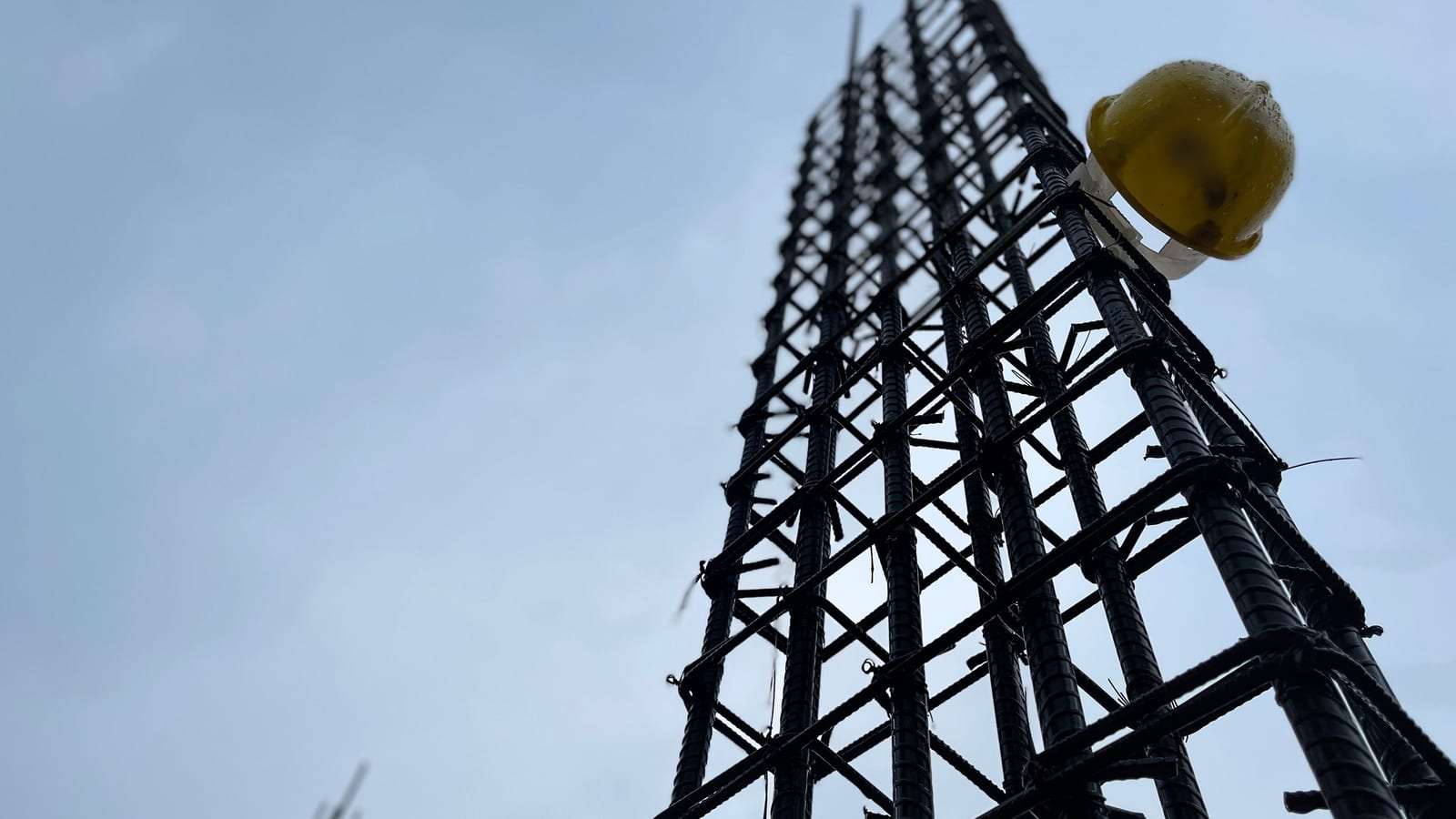
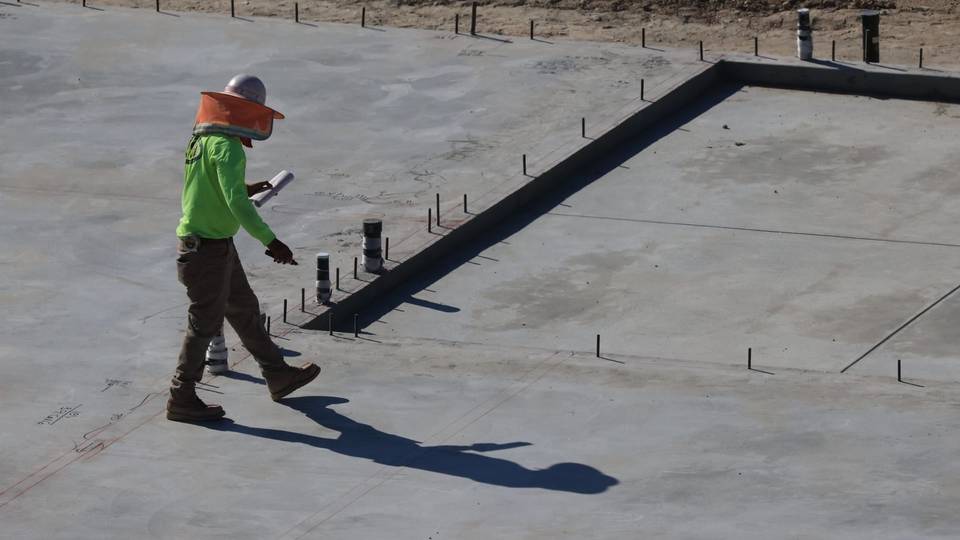
An owner who visits the site and sees columns standing assumes all is well, but can’t see the steel inside, the concrete cover, or the foundation waterproofing. These hidden defects are the most dangerous and expensive to fix.
The fix: an independent supervising engineer who inspects each stage before it’s covered and approves payments. Read engineering supervision.
8. Late changes
Shifting a wall or window on paper is almost free; after blockwork it’s costly, after plaster and services very costly, and after tiling painful. Many owners only discover what they want to change when they see the house standing, and request change after change that raises cost and delays the project.
The fix: take your time at design stage, ask for furniture layouts for every room, and think about AC, socket and lighting positions before services go in. Any change after that is written as a change order with price and time, and checked with the engineering office.
9. Neglecting waterproofing and insulation
Waterproofing and insulation are invisible after finishing, which makes saving on them tempting. But weak bathroom waterproofing means damp and damage to neighbouring walls, and weak insulation means a high power bill every summer for many years.
The fix: write the waterproofing and insulation systems in detail into the specification, ask for a water test before tiling, and get a written warranty.
10. Rushing handover
After long months of building, the owner wants to move in as soon as possible, takes the house without careful inspection and pays the final payment in full. Then snags appear one after another, and the contractor has moved to another job.
The fix: inspect the house with the engineer before the final payment, write a detailed snag list, and keep the agreed retention until snags are fixed and the snagging period ends. Collect the as-built drawings and warranty certificates.
FAQ
What’s the costliest building mistake?
Usually hidden defects in the structure and waterproofing that weren’t checked before covering, because fixing them later is hard and expensive.
Can a mistake be fixed after pouring?
Some can be remedied with engineering input; others are very hard. Prevention through supervision is far cheaper.
How do I avoid disputes with the contractor?
A clear contract, payments tied to progress, written change orders and regular communication.
Are changes during construction forbidden?
No, but they must be written with price and time, and checked with the engineering office if they affect the approved drawings.
Do I need experience to avoid these mistakes?
No — you need the right order of steps, a clear contract and a supervising engineer representing you.
This guide is general information, not engineering or legal advice. Regulations and requirements differ between cities and change over time, so check your project with a licensed engineering office and the relevant authorities.